Curtains with Blinds for Sliding Glass Doors
Intro
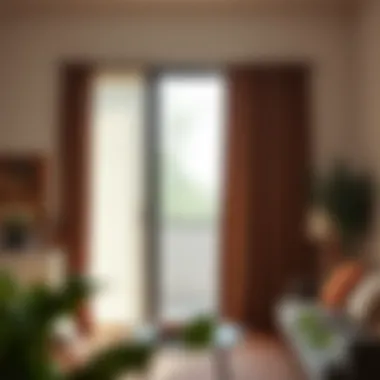
Curtains for sliding glass doors that come with integrated blinds are not merely a practical necessity but also a stylish statement in modern home decor. These multi-functional window treatments present an ideal solution for individuals striving to balance aesthetics and functionality. Whether you want to block out light during the day, maintain privacy during the evening, or simply adorn your space with an attractive design, the options available are diverse and exciting.
The increasing popularity of this solution is driven by various factors including the need for energy efficiency, convenience, and technological advancement. With numerous designs and materials to choose from, homeowners and decorators can now tailor solutions that meet their unique needs. This guide aims to explore the essential aspects of curtains for sliding glass doors with blinds, offering insights into current trends, practical tips, and clever strategies that can enhance any living space.
As we journey through this article, we will delve into pertinent aspects like furniture trends, DIY projects, and evaluation of styles that harmoniously blend with today’s interiors. Get ready to uncover not just what these curtains can do, but how they can transform your ambiance into something sophisticated and functional.
Understanding Sliding Glass Doors
When it comes to modern home design, sliding glass doors have carved a niche that's hard to overlook. These doors serve multiple functions—from providing a seamless transition between the indoors and outdoors to acting as major channels for natural light. For homeowners, renters, and designers alike, grasping the nuances of sliding glass doors can influence decisions ranging from aesthetics to functionality. This section gives insight into their importance, peculiar characteristics, and some essential considerations.
Characteristics of Sliding Glass Doors
Sliding glass doors are typically framed with aluminum or vinyl with large panes of tempered or laminated glass that glide effortlessly on tracks. Their size can vary tremendously, covering everything from a modest patio entrance to expansive openings that redefine living spaces. Here are a few characteristics of sliding glass doors:
- Space-Saving Design: Unlike traditional doors that swing outward, sliding glass doors conserve space, making them ideal for tight areas.
- Versatile Configurations: They come in various styles, including double, triple, or even pocket doors that slide into the walls, allowing for numerous design possibilities.
- Durable Materials: The frames are often made from materials resistant to wear and tear such as aluminum, ensuring a long lifespan under different weather conditions.
This keen understanding of your door's characteristics can not only enhance the functionality of your home but also elevate its overall aesthetic appeal.
Benefits of Natural Light
Another noteworthy aspect of sliding glass doors is their ability to usher in abundant natural light, fundamentally altering how spaces feel. Many people are unaware of just how pivotal light can be in creating an inviting atmosphere. Every room benefits from natural light in varying ways:
- Enhanced Mood: Studies have shown that sunlight boosts serotonin levels, your brain's feel-good chemical. Thus, by flooding your home with light, you can elevate your mood day by day.
- Energy Efficiency: Using natural light reduces reliance on artificial lighting, saving on electricity bills—a win-win for eco-conscious homeowners.
- Visual Connection with Nature: Natural light paired with views of the outdoors creates a sense of openness, making even a small space feel larger. It encourages a connection to nature that enhances the home's livability.
Implications for Privacy
While enjoying all the light that sliding glass doors bring, it's crucial to deal with privacy concerns. After all, glee from natural light can quickly fade if neighbors are peering in. Here are key implications surrounding privacy:
- Visibility: The large glass panels provide little in the way of barrier. Hence, opting for treatments like curtains or blinds becomes essential to maintain privacy during the day and night.
- Layering Options: Many homeowners choose to use curtains paired with built-in blinds, allowing for easy adjustments based on sunlight and privacy needs. This layering can offer customizable levels of exposure throughout the day.
- Smart Design Choices: Careful selection of curtain colors and materials can mitigate prying eyes while still allowing for light. Leading designers often advocate for translucent fabrics or shades that offer privacy without sacrificing brightness.
Ultimately, understanding the implications for privacy is as essential as knowing how to let in the light. This balance ensures that you can enjoy your space without compromising comfort or aesthetics.
Introducing Curtains with Built-In Blinds
In the realm of home design, the choice of window treatments can often seem overwhelming. Among these options, curtains equipped with built-in blinds stand out for their unique ability to seamlessly blend aesthetics with functionality. Homeowners who consider pairing curtains with sliding glass doors would do well to understand the distinct advantages of this design choice. These treatments serve not just as decorative elements, but also provide practical solutions for light control and privacy management.
Definition and Functionality
Curtains with built-in blinds are essentially a clever marriage of two efficient window coverings into one unified system. As the name suggests, these curtains come with integrated blinds, often hidden or enclosed within the fabric folds. This setup allows homeowners to toggle between full curtain coverage and precise blind adjustments at will. Notably, the functionality lies in their mechanism; the blinds can be tilted open or closed and are often operated using a simple pull or cord system, enabling effortless transition from bright sunshine to a cozy dim environment.
"These curtains eliminate the struggle of dealing with multiple window treatments; it’s all about convenience!"
Further, this design is particularly beneficial for sliding glass doors, commonly found in modern homes, as it maintains a sleek appearance without compromising on practicality. They can control both light and privacy levels elegantly, offering a streamlined look.
Advantages of Dual Functionality
Choosing curtains that incorporate blinds brings about several noteworthy perks:
- Enhanced Privacy Control: The ability to operate the blinds independently of the curtains allows users to fine-tune their privacy levels without sacrificing natural light.
- Space-Saving Design: With integrated blinds, you don’t need to fit separate rods for blinds and curtains, resulting in a cleaner, more organized look. This is especially valuable in smaller spaces where efficiency matters.
- Easier Maintenance: Cleaning can often be a chore with traditional blinds. Curtains with built-in blinds simplify this as the fabric might only require a quick wash, and depending on the design, the blinds may need less frequent attention.
- Stylish Versatility: Homeowners can select curtains that are in keeping with their decor theme, ranging from minimalist to lavish, providing ample opportunities for personal expression.
Through grasping the definition, functionality, and advantages of these all-in-one window treatments, homeowners can make an informed decision that aligns with their lifestyle and design preferences.
Exploring Material Options
When considering curtains for sliding glass doors with incorporated blinds, the choice of materials significantly influences both functionality and aesthetics. The materials you select can affect light control, privacy levels, energy efficiency, and even the overall ambiance of your living space. Understanding the characteristics of different materials is key to making informed decisions that best fit your environment and lifestyle.
Fabric Choices for Curtains


Fabric choices are vast, and each option brings something unique to the table. Common fabrics include:
- Polyester: This fabric is durable and resistant to fading and wrinkling, making it ideal for sun-soaked environments. It’s low-maintenance and comes in a variety of styles.
- Cotton: A classic choice, cotton is soft, breathable and lends a homey charm. However, it’s important to note that it may require more upkeep to prevent fading.
- Linen: This fabric exudes elegance with a natural texture. While it’s less durable than polyester or cotton, its natural look can transform any room into a welcoming space.
- Blackout Fabric: For those needing ultimate control over brightness, blackout curtains are a prime choice. They block nearly all light, making rooms perfect for sleeping or watching movies.
Choosing the right fabric often depends on personal preference and specific room needs. For instance, a light, airy fabric such as sheer linen may create a more open environment, while heavier fabrics may provide a sense of coziness and seclusion.
Material Selection for Blinds
When it comes to the blind elements within the curtains, material selection involves a few different categories:
- Aluminum Blinds: These are robust, easy to clean, and provide excellent light control. They can easily tilt to direct light and maintain privacy.
- Vinyl Blinds: Vinyl is another solid option, known for its water resistance. They perform wonderfully in moist areas like kitchens and bathrooms.
- Wood Blinds: Offering a touch of nature, wooden blinds add warmth. They’re an attractive choice but may require more upkeep to prevent warping due to humidity.
- Fabric Blinds: Soft fabric blinds can reduce glare while providing a softer look. They come in various styles including Roman shades and draperies, lending versatility to your choice.
Each of these materials plays a crucial role in overall performance, affecting durability and how well they work in conjunction with the curtain fabric. It’s wise to consider both the aesthetics and function when choosing materials for blinds.
Sustainable Options in Materials
In today's eco-conscious world, sustainable materials are gaining traction. Here are a couple of thoughtful choices:
- Bamboo: A renewable resource, bamboo is not only stylish but also sturdy. It can add a unique, natural touch to your decor while being kind to the planet.
- Recycled Fabrics: Some manufacturers produce materials from recycled textiles, which help minimize waste. These fabrics can be stunning and often come in a range of colors and patterns.
- Organic Cotton: Quite different from conventional cotton, organic cotton does not use harmful pesticides during its growth. Choosing this option can have a beneficial impact on your indoor air quality.
Opting for sustainable materials not only helps in reducing your carbon footprint but can also enhance the healthiness of your living space. It’s certainly a win-win when your choices both look good and do good.
"Choosing the right material can make a world of difference, shaping not only the functionality but the overall feel of your living environment."
In summary, exploring material options when selecting curtains for sliding glass doors with blinds involves a thoughtful consideration of fabric, blind material, and sustainability. Each choice can significantly impact aesthetics, functionality, and environmental footprint, ultimately guiding homeowners, designers, and DIYers toward creating spaces that are both beautiful and practical.
Design Considerations
When it comes to curtains for sliding glass doors, the design aspect is not merely an aesthetic choice, but an integral component that can define the overall tone of a room. The presence of these doors often merges indoor and outdoor environments, creating fluidity that invites you to rethink traditional design standards. This is where the significance of design considerations comes into play.
Choosing the Right Color Palette
Color sets the mood of a space, influencing how one feels upon entering a room. A color palette for curtains and integrated blinds can either complement or starkly contrast the existing decor. Think about the emotions you wish to evoke. Soft neutrals like taupe or ivory can instill a sense of calm and warmth, while bold hues such as royal blue or cherry red might energize and inspire your space. It’s wise to factor in not just wall colors, but also flooring and furniture tones.
When exploring colors, consider the direction of natural light. A bright room might benefit from deeper shades to anchor the space, while a dimly lit area may gain vibrancy through lighter, reflective tones. Mixing and matching can also create interest—pairing rich blue with golden accents, for instance, offers a timeless yet fresh appeal.
Patterns and Textures
Patterns and textures are what breathe life into curtains, morphing them from mere functional pieces into standout decor elements. Choosing the right texture reflects personal style and can significantly alter how a space feels. For instance, a soft linen texture can introduce warmth and comfort, while smooth polyester can add a sleek, modern touch.
In terms of patterns, there’s a world of choices—geometric designs, floral motifs, or even abstract prints. These can serve as focal points within a room. However, balance is key; a daring pattern should harmonize with other design elements. If the room contains busy wallpaper, consider more subtle textures or simpler patterns for the curtains.
"Design is not just what it looks like and feels like. Design is how it works." — Steve Jobs
Integrating with Interior Themes
Lastly, how your curtains integrate into the overarching interior theme cannot be overlooked. Whether your home leans toward modern minimalism or eclectic vintage, the curtains should resonate with that narrative. For a contemporary space, sleek, straightforward designs with clean lines may fit best. Conversely, if your home is more traditional, you could explore velvet materials or rich patterns reminiscent of earlier eras.
Moreover, incorporating elements from other areas in your décor can help to create visual cohesion. For example, if you have metal fixtures in your kitchen, carrying that finish into the curtain hardware will link the spaces together, fostering a seamless flow throughout.
In summary, focusing on colors, textures, and the overall interior theme while selecting curtains for sliding glass doors elevates their role from mere functional items to vital design assets. Consider these detailed aspects for a well-rounded, visually pleasing environment.
Functional Aspects of Curtains with Blinds
Understanding the functional aspects of curtains with blinds is crucial for homeowners and designers looking to enhance the aesthetic and practical features of sliding glass doors. These treatments not only serve as beautiful decor but also play vital roles in privacy, light regulation, and energy efficiency. In today's fast-paced world, where living spaces often meld functional desires with style demands, addressing these aspects can elevate a home while addressing numerous individual needs.
Privacy Control Mechanisms
One of the most significant benefits of using curtains equipped with built-in blinds is the ability to manage privacy effectively. For many, sliding glass doors represent an open invitation for the outside world to peek in. This can lead to discomfort, especially in more intimate spaces like bedrooms or bathrooms. Here, curtains with built-in blinds shine distinctly.
Most of these products allow for various settings. Homeowners can effortlessly draw the curtains fully to the side while still having the flexibility to gently lower the blinds when they wish to keep prying eyes at bay. This combination provides a seamless approach to privacy control without sacrificing natural light, a crucial aspect in many homes. The integration of both elements facilitates a layered approach to privacy management.
Having control over what others can see is not just about comfort, but about creating a personal sanctuary in your own home.
Light Control Solutions
Natural light undoubtedly brightens up a space, yet too much can be overwhelming. Curtains with built-in blinds offer an ingenious light control solution. Their design allows you to customize lighting levels throughout the day, making them as versatile as your lighting needs.
With adjustable slats, most integrated blind systems can easily tilt open to regulate the light entering your home. On bright, sunny days, you can simply tilt the slats to diminish glare without completely shutting out the sun's warmth. Conversely, if you prefer a dim atmosphere during movie nights, the curtains can be drawn fully, creating a cozy environment without straining eyes.
This range is not merely a luxury; it contributes to the overall comfort of the home environment, ensuring spaces can function for multiple purposes. Homeowners can enjoy both brightness and darkness at their leisure, adapting as needed.
Energy Efficiency Benefits
In an era where energy efficiency is paramount, curtains with blinds serve as dual-function tools worthy of consideration. These window treatments can play a vital role in temperature regulation within a home, helping to keep heating and cooling costs at bay.
During warmer months, you can adjust the blinds to reflect sunlight, preventing heat gain and lowering air conditioning bills. In contrast, when winter rolls around, keeping the blinds closed and curtains drawn can provide additional insulation, making your home cozier and reducing heating expenses.
Active management of natural light through these solutions means that over time, you may notice a tangible reduction in energy consumption—a win-win for both your wallet and the environment.
By addressing privacy, light management, and energy savings, curtains with built-in blinds create a harmonious balance that enhances both functionality and aesthetics in any room that features sliding glass doors.
Installation Techniques
Incorporating curtains for sliding glass doors with built-in blinds is not merely about aesthetics; the installation process is a pivotal aspect that determines the functionality and longevity of the window treatment. Correct installation enhances the utility of both the curtains and blinds, allowing for optimal light control, privacy, and energy efficiency. An understanding of various installation techniques can empower homeowners, renters, and DIY enthusiasts to make informed decisions, ensuring that their chosen window treatments perform at their best.
Measuring for Accuracy
Precise measurements are the cornerstone of a successful installation. If the curtains or blinds don't fit the sliding door properly, you may end up with draughts or gaps, leading to energy inefficiency and compromised privacy. Here are some key points to consider when measuring:
- Width: Measure the total width of the sliding door. It's best to extend the measurements beyond the door itself, allowing the curtains to fully cover the frame when closed.
- Height: Measure from the top of the door frame to the desired length of the curtains. If you want a dramatic look, a floor-length curtain may be appropriate, while just above the sill can work well for space-saving.
- Projection: Account for the hardware's projection from the wall. Did you know that improper projection can lead to the curtains blocking the door's opening mechanisms?
When in doubt, double-check your measurements; it's better to be slightly too big than too small. Utilize a level to ensure evenness, and jot down your figure, avoiding needless back-and-forth when ordering the materials.
Mounting Options
Mounting options significantly affect both the appearance and functionality of curtains with built-in blinds. Here are a few prevalent methods to consider:
- Inside Mount: This method places the curtain rod or header inside the recess of the door frame. It's a clean look, perfect for minimalist design. However, it might restrict the amount of light that enters when the door is fully opened, causing the curtain edges to cast shadows.
- Outside Mount: Here, the hardware is mounted on the wall or above the door frame, extending beyond the door recess. It provides a more dramatic visual presence, and often helps to make a smaller room feel larger by allowing more natural light.
- Ceiling Mount: If your ceiling is tall and the aesthetics call for a grand feel, a ceiling mount can help achieve this. It provides a contemporary look while maximizing light intake.
It's crucial to consider the material of the walls you are mounting to; drywall, plaster, or even concrete may dictate the type of fasteners you'll need. Plan accordingly to ensure secure installation.
Professional Installation vs. DIY
The choice between professional installation and a DIY approach often hinges on your skill level, comfort with tools, and the complexity of the installation.
Professional Installation
Opting for professionals can save time and guarantee correct installation. Their expertise ensures that even tricky adjustments are handled seamlessly. However, it usually comes with a higher price tag, which some might find hard to swallow.
DIY Installation
On the flip side, many find satisfaction in tackling a DIY project. With the right tools and guidance, it can be a straightforward task. There are countless tutorials—video or written—available online that cover step-by-step processes.
"When in doubt about your DIY skills, it's better to seek help than to risk damaging your new curtains or sliding doors."
Consider your time, desired outcome, and budget. If you have the confidence and tools, a DIY job can enhance your skills while being cost-effective. If not, professional assistance may ultimately conserve resources by preventing costly mistakes.
Maintenance and Care
Maintaining and caring for curtains fitted with blinds on sliding glass doors is not just a mundane chore; it’s essential to prolong their life and keep your living environment looking spick and span. Regular maintenance helps to prevent dust accumulation and wear and tear, which can significantly affect both appearance and functionality. Furthermore, giving attention to maintenance practices ensures that you can enjoy the benefits of natural light and privacy these dual-functional pieces offer for a long time.
Cleaning Techniques for Different Materials
Different materials used in curtains and blinds require specific cleaning techniques to retain their appearance and functionality. Here are some noteworthy ways to tackle the maintenance chores based on the material:
- Fabric Curtains: These often gather dust and can get stained easily. Regular vacuuming with a soft brush attachment can help prevent build-up. For stubborn stains, using a gentle fabric cleaner or spot-cleaning is advisable. Always check the care label before machine washing.
- Polyester Blinds: They can easily be wiped down with a damp cloth. Occasionally, soaking them in warm, soapy water and rinsing under running water helps to maintain their shine.
- Wood Blinds: These require a little more TLC. It’s best to use a microfiber cloth to remove dust, and occasionally, a wood polish can help protect the finish. However, avoid soaking them as moisture can warp the wood.
- Vinyl Blinds: They are quite low-maintenance and can be cleaned using a mixture of warm water and dish soap. Just spray the solution, let it sit for a minute, then wipe it down with a soft cloth.
"Regular maintenance ensures a long-lasting aesthetic appeal and functionality of your curtains and blinds."
Routine Maintenance Practices
Establishing a routine is crucial. Incorporating simple habits can transform the upkeep of your curtains and blinds from a chore into a seamless aspect of your weekly cleaning. Here are some practical maintenance practices:
- Weekly Dusting: Set aside time each week to dust the curtains and blinds. Using an extendable dusting tool can make this task easier without having to climb up and down.
- Monthly Inspection: Examine your curtains and blinds monthly for signs of wear or damage. Look for loose threads, bent slats, or any other issues. Addressing small problems sooner can save you from costly repairs.
- Seasonal Deep Cleaning: A deep clean every changing season is vital. This includes washing fabric curtains and ensuring any mechanical parts in the blinds are working smoothly.
- Prompt Repairs: If you spot a minor problem, such as a few loose threads or a slat that doesn’t lift properly, make it a point to fix it right away. Delaying repairs often leads to larger issues that are much more complex and costly to resolve.
Remember, investing time in maintenance won't just keep your curtains and blinds looking aesthetically pleasing; it also enhances your living space's overall integrity and comfort.
Current Trends in Window Treatments
In recent years, the world of window treatments has seen a noticeable shift. Homeowners and designers are increasingly inclined towards solutions that combine aesthetics with functionality. This section delves into the current trends that define curtains for sliding glass doors featuring built-in blinds, illustrating how these window treatments can transform spaces in both practical and stylish ways.
Popular Styles in Curtains and Blinds
When it comes to styles, there’s no shortage of innovative options for curtains and blinds—each offering its own unique flair. One trend that stands out is the rise of sheer fabrics integrated with opaque blinds. This combination allows for varying levels of light and privacy throughout the day, catering to the dynamic needs of any living space.
More homeowners are leaning towards natural materials, like linen or cotton, which evoke warmth and calmness. Such materials breathe well and promote a sense of connection to nature—a notable consideration for many. Additionally, you might find a growing inclination towards bold prints and colors. Instead of opting for muted tones, some are embracing vibrant hues that serve as focal points within a room.
- Layering is also gaining traction, with many choosing to combine different types of window treatments. For instance, a set of hard blinds may perfectly complement flowing draperies, offering versatility and an interesting visual depth.
- Minimalistic designs, like roller shades, are becoming increasingly popular for their streamlined appearance. These styles fit seamlessly within modern or contemporary interiors.
Importantly, while style is paramount, the practical nuances should not be overlooked. Light-filtering versus blackout options are critical considerations when choosing the right treatments for specific areas of the home.
"The right window treatment doesn’t just cover your windows—it transforms your space and enhances your lifestyle."
Emerging Technologies in Window Treatments
As technology propels forward, window treatments are naturally evolving too. One significant trend is smart home integration. Modern curtains and blinds can now be controlled via apps or even voice commands, offering convenience and efficiency at your fingertips.
Furthermore, the advent of automated opening and closing mechanisms yields greater ease of operation. Picture this: your blinds gracefully lowering at sunset without you lifting a finger. This element is not just about luxury; it also aids in managing indoor temperatures, aligning with energy-efficiency goals.
In addition to smart controls, innovation in materials has led to thermally-insulated fabrics. This technology effectively blocks heat during the summer while retaining warmth in winter, helping minimize energy bills.
Another noteworthy advancement is UV protection, with some window treatments now equipped to deflect damaging rays from sunlight, which can fade interiors over time.
Lastly, the concept of biophilic design is introducing elements that mimic nature through window treatments, promoting both well-being and aesthetic appeal.
These trends signify an exciting shift in window treatments, blending fashion with function in ways that cater to modern-day needs and preferences.
Epilogue
The conclusion of this comprehensive examination holds a certain weight in the unfolding narrative of curtains for sliding glass doors with blinds. It serves not only as a summary but as a final glance that brings to light the integral elements and benefits that have been explored throughout the guide. With the dual functionality of these curtains, homeowners can seamlessly blend style with practicality, ensuring that their living spaces are both aesthetically pleasing and functional.
Key considerations include the selection of proper materials, adaptability to various design themes, and the maintenance routines to keep them looking their best. Light control and privacy also play critical roles in how these treatments serve everyday needs. After all, a well-chosen curtain does more than just dress a window; it defines the ambiance of a home.
"Selecting the right window treatment can transform a living space, making it feel more spacious or cozy, depending on the choice of materials and design."
This article reinforces that understanding the nuances of curtains with integral blinds is vital for effective interior design choices. By being mindful of these factors, homeowners, designers, and DIY enthusiasts alike can elevate their spaces.
Recap of Key Points
- Understanding Sliding Glass Doors: The characteristics of these doors facilitate natural light while posing specific challenges around privacy.
- Curtains with Built-In Blinds: These provide a unique solution for homeowners, maximizing both style and function.
- Material Options: Diverse fabric choices have been highlighted, catering to varying tastes and practical needs, including sustainability considerations.
- Design Considerations: Colour palettes, patterns, and textures guide the selection process aligned with existing interiors.
- Functional Aspects: Privacy, light control, and energy efficiency are core benefits to be addressed when making choices.
- Installation Techniques: Proper measuring and mounting techniques are essential for a flawless look.
- Maintenance and Care: Regular cleaning and maintenance practices extend the life of your window treatments.
- Current Trends: Staying updated with popular styles and emerging technologies ensures that your choices are modern and relevant.
Final Thoughts on Selection and Installation
In selecting and installing curtains for sliding glass doors with built-in blinds, one cannot overlook the importance of thoughtful consideration of both form and function. Balancing aesthetics with practicality is paramount. Each step of the process, from measuring and choosing materials to the final installation, shapes the ultimate success of your window treatment.
Homeowners and renters need to ask themselves what they want to achieve. Whether it's maximizing brightness in a living space or achieving the utmost in privacy, these choices can adapt to your lifestyle needs. Consulting with professionals can often yield the best results, but with the right information, DIYers can also tackle these installations with confidence.
In closing, this guide's insights empower readers to make informed decisions when it comes to installing elegant yet functional curtains for sliding glass doors, ensuring that these treatments are not just adornments but pivotal elements of their homes.