
Choosing the Perfect Dinnerware Set: A Complete Guide


Intro
Selecting a dinnerware set is more than just a shopping errand; it's an endeavor that can influence the ambiance of your dining space and reflect your personal style. In a world brimming with choices, from materials to colors, choosing the right set can feel overwhelming. This guide is designed not just to make the process easier but to enrich your understanding of what to look for when picking dinnerware.
The Importance of Dinnerware
Dinnerware serves a functional purpose, of course, but its role extends far beyond mere utility. It shapes the aesthetic appeal of your dining table and can contribute significantly to the overall experience of a meal. Think about it—when you sit down for dinner with family and friends, the plates and cups contribute to the atmosphere. They can evoke feelings of comfort, elegance, or even fun, depending on their design and material.
By the end of this guide, you’ll be well-equipped to navigate the vast landscape of dinnerware options. We’ll explore how materials impact durability and style, examine the latest trends in design, and provide tips on how to match your dinnerware to any occasion. From the casual weeknight dinners to special celebrations, the right dinnerware can make all the difference.
Key Factors to Consider
When selecting your dinnerware, various factors come into play. You'll want to take into account:
- Material Choices: Porcelain or stoneware? Melamine or glass? Each material has its own pros and cons.
- Design Aesthetics: Is your style modern, rustic, or classic? Patterns can dramatically shift the tone of your dining experience.
- Care Instructions: Some dinnerware sets are dishwasher safe, while others may require hand washing.
- Sustainability: With more consumers leaning towards eco-friendly choices, it’s important to consider the environmental impact of your selections.
In the following sections, we’ll delve deeper into these aspects, providing careful analysis and thoughtful recommendations. You can expect to uncover not just what works best for your practical needs, but also what aligns with your personal style and values.
Understanding Dinnerware Sets
When it comes to setting the stage for a meal, understanding dinnerware sets is absolutely essential. Dinnerware can transform an ordinary meal into a feast for the eyes, making it a crucial element in dining experiences. It’s not just about what goes on the table; it’s about creating an atmosphere that reflects your personal style and caters to the occasion. The right set not only enhances the aesthetic of a gathering but also holds the promise of functionality and ease in serving your favorite dishes.
Definition of Dinnerware
Dinnerware refers to the dishes, plates, bowls, and utensils used for serving and eating food. It encompasses a wide range of items that play a role in both the dining aesthetics and the practical facets of enjoying a meal. The importance of dinnerware cannot be overstated; it serves as the medium through which meals are presented, contributing to a dining experience that goes beyond mere sustenance. In essence, it's the fine line between a dinner and a dining experience.
Components of a Dinnerware Set
A comprehensive dinnerware set is typically composed of several key components, each of which satisfies a distinct need during dining. Let’s take a look at the primary elements that come together to form a complete dinnerware set:
Plates
Plates are perhaps the most recognizable piece of any dinnerware set. They come in various sizes, from small appetizer plates to large dinner plates. The practical function of plates allows for individual servings of food, making it easy for hosts to curate unique placements that mingle tastes and textures. An important characteristic of plates is their versatility; they suit any dining situation, whether it’s a casual get-together or a formal dinner.
- Unique Feature: Many plates today boast non-stick surfaces or are made from materials that enhance durability, such as stoneware or porcelain. This is a beneficial choice because it extends the lifespan of your investment.
- Advantages/Disadvantages: While there is no shortage of beautiful designs, it’s worth noting that thicker plates can be heavier and may not be ideal for every guest. However, they tend to be more resilient to chipping and wear, making them a solid option for regular use.
Bowls
Bowls serve more than just decorative purposes; they're essential for serving soup, salads, and side dishes. A well-designed bowl complements the overall presentation of a meal while also catering to specific dining needs. Their depth allows for ample portions, making sharing a breeze.
- Key Characteristic: Bowls vary in shape, from deep bowls for stew to shallow ones for cereal. This variety allows for creative interpretations of serving styles, enhancing the dining experience.
- Unique Feature: Some bowls have lids or are designed for stacking, which can be incredibly helpful for storage and transportation. However, care should be taken as certain materials, like glass, can be prone to breaking in busy households.
Serving Utensils
Serving utensils are an often-overlooked part of any dinnerware set, but they play a significant role in the practical aspect of serving food. From large spoons to tongs and ladles, these tools are designed with functionality in mind. The right serving utensils can influence portion sizes and serve specific ingredients with ease.
- Key Characteristic: Durable materials like stainless steel or silicone can enhance the longevity of serving pieces.
- Unique Feature: The ergonomic designs available today help prevent misuse and ensure that portions are manageable. However, it's essential to match the serving utensils with your dinnerware aesthetic to maintain a cohesive look—and this can be a fine balancing act for hosts.
"Choosing the right components in a dinnerware set transforms every meal into a stylish affair, making the mundane extraordinary."
In summary, understanding dinnerware sets involves recognizing how each component contributes to both the functionality and style of your dining experience. The choices you make impact not just the meal itself but also reflect your personality and enhance the ambiance of your gatherings.
Materials Used in Dinnerware
When it comes to selecting dinnerware, the materials used play a critical role in determining both the functionality and aesthetics of your choices. Understanding the various materials can help you make informed decisions that not only suit your style but also meet practical needs.
Choosing the right material can enhance the dining experience, influence durability, and even justify the price point. Whether you’re a passionate home chef or someone who enjoys hosting gatherings, knowing the ins and outs of dinnerware materials can make all the difference.
Ceramic Dinnerware
Ceramic dinnerware is often favored for its versatility and aesthetic appeal. Made from clay that’s fired at high temperatures, this material offers a wide range of designs and colors. One major advantage of ceramic dishes is their capability to withstand heat, making them ideal for everything from sizzling hot casseroles to chilled salads.

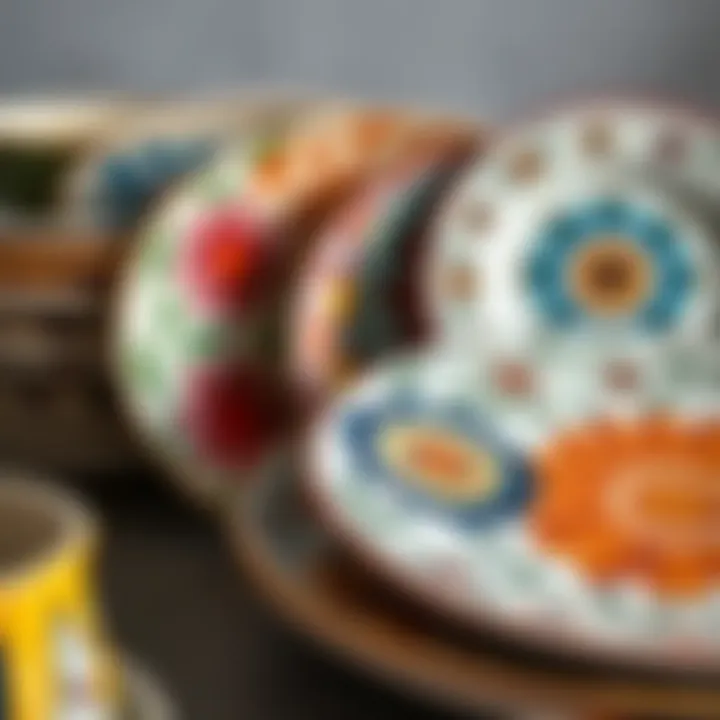
However, not all ceramics are created equal. Some may chip or crack easily, especially if they’re thin. If you’re leaning towards ceramic, look for pieces that are labeled as chip-resistant or those that have an added glaze for durability. They also come in various price ranges, which can be beneficial for homeowners working with a budget.
Stoneware Dinnerware
Stoneware is a heavier option among dinnerware materials. Recognized for its strength, stoneware is fired at higher temperatures, creating a dense and sturdy finish. This durability translates to excellent resistance to scratches and chips.
You’ll find that stoneware retains heat well, making it a good choice for serving dishes. Many stoneware pieces have earthy tones and textures, bringing a rustic feel to the table. However, it’s worth noting that some stoneware can be more porous than other materials, which may require more careful cleaning to avoid staining.
Porcelain Dinnerware
Porcelain is often equated with elegance and refinement. Known for its smooth, white, and glossy finish, porcelain dinnerware is non-porous and resistant to moisture, making it less prone to staining. It is also chip-resistant and can be used in both casual and formal dining settings.
An added advantage of porcelain is its ability to be made in various styles and shapes, which allows for creative presentation during meals. However, be cautious: while durable, low-quality porcelain may still break under stress or extreme temperature changes.
Glass Dinnerware
Glass dinnerware offers a unique combination of elegance and functionality. Opting for tempered glass can yield dishes that are both stylish and sturdy. Glass is naturally non-porous, meaning it won’t harbor bacteria, making it a hygienic choice for serving food.
Moreover, glass can be microwave and dishwasher safe, adding convenience for daily use. However, while the aesthetics of glass can elevate a dining table, it can be prone to scratches and breakage if not handled carefully. A notable feature is that glass dinnerware can range from clear to colored options, allowing homeowners to match their decor or the theme of an event.
Melamine Dinnerware
Melamine dinnerware has gained traction for its affordability and practicality. Made from a type of durable plastic, melamine is great for outdoor dining or families with young children.
One of the standout features of melamine is its lightweight nature, making it easy to transport. Additionally, it comes in vibrant colors and patterns, which can add a fun twist to any gathering. Yet, caution is warranted—melamine is not microwave safe, and prolonged exposure to heat can warp the material. For casual dining scenarios, though, it’s a solid choice that doesn’t break the bank.
Understanding these materials will guide you when selecting dinnerware sets, enhancing your dining experience while also considering factors like durability, style, and practicality. By weighing the pros and cons of each material, you can tailor your choices to fit your lifestyle.
Design Considerations for Dinnerware Sets
When it comes to selecting dinnerware, the design elements often speak louder than the simple function of serving food. A well-thought-out dinnerware set does more than hold your meals; it reflects your personal taste and enhances the dining experience. Choosing the right designs involves multiple facets, including color schemes, patterns, textures, shapes, and sizes. This section sheds light on these crucial elements, focusing on how they contribute to the overall ambiance and practicality as well.
Color Schemes
Color plays a pivotal role in establishing the mood of any dining event. The color scheme of your dinnerware can influence not just aesthetics, but also the psychological experience of your guests. For instance, warm hues like reds and yellows may evoke feelings of warmth and comfort, perfect for family gatherings, while cool tones like blues and greens can promote calmness—a great idea for a more formal dinner party.
- Understanding Color Psychology: Colors can stir emotions and set an atmosphere. Knowing which hues work for what occasion can elevate your dining style.
- Mixing and Matching: Some opt for eclectic designs, mixing different color palettes to create a unique dining experience. This approach requires an eye for balance; the colors should complement, not clash, so the table makes a statement without overwhelming.
- Seasonal Trends: Don’t shy away from seasonal themes. Colors that resonate with the time of year can create festive charm—think pastel shades for spring or rich earth tones in fall.
- Warm colors: Inviting and friendly.
- Cool colors: Serene and composed.
Patterns and Textures
Patterns and textures can add depth and complexity to your dinnerware selection. They not only captivate the eye but can also serve practical purposes, like hiding stains or scratches.
- Patterns: This includes anything from floral designs to geometric shapes. Vintage or rustic patterns provide a homely feel, while minimalist designs tend to appear more modern and sophisticated. For instance, if you’re hosting a barbecue, vibrant patterns can reflect the laid-back atmosphere you wish to convey.
- Textures: Textured dinnerware can change the entire meal experience. A matte finish, for instance, offers a contemporary vibe, whereas a glossy finish can evoke elegance. Options such as embossed or ridged surfaces may offer a tactile experience that enhances the overall dining engagement.
As you decide, consider the theme of your meals and how patterns or textures pair with your cuisine.
Shape and Size
Finally, let’s dive into the shape and size of dinnerware, which can dramatically change the styling of your table setting. Flat plates, deep bowls, or wide serving platters—each serves a distinct role.
- Function Meets Form: The primary consideration should always be function. Think about what you will usually serve and choose dinnerware that complements that. For example, shallow bowls may be best for pasta, while deeper options suit soups better.
- Size Matters: Be mindful of your table setting space. Oversized plates can feel imposing, especially on a small dining table, while diminutive pieces might seem out of place during a grand gathering. Before making your purchase, set your table to ensure the chosen sizes harmonize well.
- Innovative Shapes: Break away from conventional forms. Asymmetrical plates or uniquely shaped serving dishes can be conversation starters and add an artistic touch to your meals.
"Selecting the right design for your dinnerware means considering not just how they look, but how they feel and function in your everyday life."
Thoughtful considerations in these areas will not only enhance personal enjoyment but also serve as a wonderful backdrop to your culinary creations. Being cognizant of these design details will help you craft dining experiences that resonate with style and elegance.
Matching Dinnerware with Style
Selecting dinnerware isn't just about functionality; it's about making a statement that reflects your personal taste and complements the ambiance of various occasions. The right dinnerware can elevate a simple meal to a memorable experience, coaxing out those intangible feelings of warmth and connection that we often associate with dining. When you match dinnerware with your style, you create an environment that feels cohesive and thoughtfully designed.


Casual Dining
Casual dining often calls for dinnerware that's easygoing yet stylish. Think about designs that reflect your home’s atmosphere—something laid-back yet polished. A set featuring playful colors or simple patterns can be perfect here. For example, if your kitchen is filled with earthy tones, a collection of ceramics in muted greens and browns might enhance that vibe.
When selecting casual dinnerware, consider durability and ease of cleaning. Materials like stoneware or melamine are great since they can withstand everyday usage without a hitch. It’s crucial to think about size too; larger plates can feel clunky, while smaller plates can offer a more intimate dining experience. Mix and match pieces to create a relaxed aesthetic that feels effortlessly chic.
Formal Occasions
On the other hand, formal occasions require a more refined touch. Here, dinnerware should speak elegance and attention to detail. This might mean choosing porcelain or fine china with intricate designs or gold accents. The goal is to inspire awe amongst your guests and set a tone of sophistication.
Setting a formal dinner table also involves a bit of strategy. Consider the shape of the plates—round plates are classic, while square or oval plates can add a modern twist. Don’t shy away from layering. A charger under your dinner plate, coupled with matching cutlery and glassware can create a stunning tableau that leaves a lasting impression.
Consider keeping the design subtle, allowing the food to be the star of the show. A clear palette, perhaps in whites or soft pastels, can create a serene backdrop, allowing for vibrant dishes to pop visually. The way you curate this setting matters deeply, as it reflects the effort put into the gathering.
Themed Gatherings
Themed gatherings are where your creativity can really shine. Here, dinnerware can either enhance the theme or provide a stark contrast that highlights the occasion. For instance, if you're hosting a summer barbecue, vibrant melamine sets can energize the space. On the other hand, a Halloween party may call for dishes featuring spiderweb patterns or deep oranges and blacks that invoke a sense of fun and festivity.
Pay attention to both the colors and designs to align with your theme. You can even consider incorporating elements like decorative serving dishes or unusual shapes that add a layer of playfulness to your table. Mixing and matching may also work well when creating a themed presentation. Just remember, the objective is to transport your guests into the spirit of the occasion without overwhelming them with clashing aesthetics.
Therefore, whether you're setting a casual brunch, a formal dinner, or a festive gathering, it's essential to choose dinnerware that resonates with the atmosphere you want to create. The right pieces not only serve food but also tell a story, offering insights into your style and personality.
Care and Maintenance of Dinnerware
Taking care of your dinnerware is crucial for ensuring its longevity and maintaining its appearance. Proper care not only enhances the lifespan of the pieces but also protects your investment in quality items. A well-maintained dinnerware set can become a staple in your home, providing you with joy and utility for years to come. Let’s dive deeper into various aspects of maintaining your dinnerware.
Cleaning Instructions
Keeping your dinnerware clean is fundamental. It’s not just about aesthetics; it impacts your dining experience too. Here are some cleaning tips:
- Use the Right Tools: Avoid abrasive materials. Soft sponges or cloths should be your go-to for cleaning. For stubborn stains, a solution of warm water and mild detergent can work wonders.
- Hand Washing vs. Dishwasher: While some dinnerware is dishwasher-safe, hand washing is often safer for delicate materials like porcelain. Always check the manufacturer's guidelines before tossing items into the dishwasher.
- Remove Stains Promptly: Act fast! The longer a stain sits, the harder it may be to remove. Baking soda or vinegar can be effective at cutting through tough marks.
"Cleaning may feel like a chore, but keeping your dinnerware pristine allows you to showcase the beauty at your dining table."
Maintaining vigilance in cleaning can prevent the buildup of mineral deposits or food residues.
Storage Tips
How you store your dinnerware can greatly impact its longevity. Improper storage may lead to chips, cracks, and tarnished finishes. Here are some strategies:
- Use Protective Padding: When stacking plates or bowls, consider using felt pads or cloths in between. This avoids direct contact and minimizes scratching.
- Store in a Dry Place: Humidity can lead to mold or mildew on your dinnerware. Make sure your storage environment is dry and well-ventilated.
- Display Beautifully: If your dinnerware is aesthetically pleasing, why hide it? Open shelving can not only save space but also allow you to display your collection, making it both functional and decorative.
Durability Considerations
Durability varies significantly across different materials used in dinnerware. Understanding these differences can guide your purchasing decisions:
- Material Strength: Not all dinnerware is created equal. Stoneware tends to be more resilient compared to porcelain, which, while beautiful, can be susceptible to chipping.
- Usage Patterns: Think about how you plan to use the set. If it’s for everyday meals, opt for durable options. For more formal gatherings, a finer set can serve its purpose but requires more careful handling.
- Longevity and Wear: Regularly assess your dinnerware for signs of wear and tear. A small chip can quickly become a larger issue if left unchecked. Being proactive can save you from the hassle of replacing pieces frequently.
Choosing the right storage, cleaning methods, and having a keen eye for wear are essential for any homeowner or enthusiast looking to protect their dinnerware. By taking these steps, you ensure that your collection not only remains intact but also continues to bring satisfaction to your dining experiences.
Sustainability in Dinnerware Choices
In a world increasingly aware of environmental impact, the choice of dinnerware has taken on a new layer of significance. Consumers are not merely what they eat but also the vessels chosen to serve their meals. Selecting sustainable dinnerware signifies a commitment to reducing one's ecological footprint, encompassing both material selection and ethical sourcing practices. By steering clear of products that harm the environment, we channel our consumer power toward a more sustainable future.
Sustainability in dinnerware choices is not just about opting for biodegradable options. It extends to understanding how the materials are made, their longevity, and whether they can be recycled or repurposed after their intended use. The benefits are manifold: reducing waste, conserving resources, and supporting brands that prioritize responsible practices.
Eco-friendly Materials
Choosing eco-friendly materials is paramount in crafting a sustainable dining experience. Some notable materials include:
- Bamboo: This rapidly renewable resource naturally biodegrades. From plates to utensils, bamboo dinnerware is sturdy and lightweight.
- Recycled Glass: Utilizes post-consumer glass, cutting down on raw materials and energy use during production. It's strikingly beautiful and functional.
- Certified Melamine: While traditionally thought of as non-biodegradable, certain advances have made it possible to produce melamine that is free of harmful chemicals and safe for food use.
- Natural Ceramics: In certain locales, ceramics can be made from local clay sources, reducing transportation emissions.


When assessing materials, it is crucial to look for certifications such as the Forest Stewardship Council for wood-based products or local artisan groups promoting ethical production processes. Don't forget, the design should complement your style, but sustainable features should carry equal weight.
Ethical Sourcing Practices
Beyond materials, ethical sourcing is a critical aspect of sustainability in dinnerware choices. This concept revolves around ensuring that the materials are sourced in a manner that respects both the environment and the rights of workers. Some key considerations include:
- Fair Trade Practices: Brands that certify their products as Fair Trade can often guarantee workers receive fair wages and work in safe conditions.
- Local Sourcing: Choosing locally-sourced items cuts down on transportation emissions and supports local economies. It also allows for greater transparency regarding production practices.
- Supply Chain Transparency: Responsible brands are often open about how their materials are sourced. A brand that shares this information is typically more trustworthy and committed to ethical practices.
Reiterating the importance of scrutinizing the origins of your dinnerware can lead to more environmentally responsible purchases. Embracing sustainability doesn’t just enhance your kitchen aesthetic; it establishes a lifestyle committed to bettering our planet.
"By making informed choices in dinnerware, we can leave a legacy of sustainability that extends beyond our dining tables."
As you weigh options for your next dinnerware set, remain conscious of the pathways leading to its creation. The decisions you make will echo not just in your home but in the world at large.
Popular Dinnerware Brands
When it comes to selecting a dinnerware set, understanding the landscape of popular brands is crucial. The brand can often indicate the quality, durability, and overall value of the dinnerware you choose. It’s not just about aesthetics; it’s about investing in options that can withstand the test of time and suited for various occasions that may arise in a household. In this section, we will explore high-end brands known for their luxury styles, affordable options that don’t compromise quality, and locally sourced alternatives that support small businesses.
High-End Brands
High-end dinnerware brands represent the pinnacle of craftsmanship and design. These brands often use premium materials and have a rich heritage in ceramic arts. Investing in a high-end set elevates your dining experience and adds a touch of elegance to your table setting. Here are a few notable mentions:
- Wedgwood: Renowned for its fine china and stunning craftsmanship, Wedgwood combines tradition with contemporary designs.
- Royal Doulton: Known for their artistic flair, Royal Doulton dinnerware features intricate designs, making each piece a conversation starter.
- Villeroy & Boch: This German company offers a mix of classic styles and modern designs, ensuring there's something for every taste.
Selecting a high-end brand often ensures that the dinnerware is not only aesthetically pleasing but functional, being safe for use in microwaves and dishwashers. Additionally, these brands usually offer extensive collections, which allows for mixing and matching different pieces easily.
Affordable Options
Affordable dinnerware does not mean you have to skimp on design or quality. Many value-conscious brands provide robust options that look beautiful yet remain within a reasonable price range. Here’s where you might want to look:
- Corelle: Famous for its break and chip-resistant glass, Corelle's patterns offer both durability and style.
- IKEA: With a myriad of modern designs at budget-friendly prices, IKEA is a go-to for many young homeowners.
- Mikasa: While offering affordable ranges, Mikasa also provides a variety of elegant styles that work for both casual and formal dining.
By choosing affordable options, you gain the freedom to change styles frequently without breaking the bank. This can be particularly appealing for those who enjoy hosting gatherings regularly or simply want variety in their dining ware.
Locally Sourced Options
There’s growing interest in supporting local artisans and businesses, and dinnerware is no exception. Locally sourced dinnerware can provide unique designs that reflect regional styles and craftsmanship. Some brands to consider include:
- Local Potters: Many regions are home to artisan potters who create handmade dinnerware. Each piece is often unique, showcasing the artist's skill and local influences.
- Heath Ceramics: Based in California, this brand focuses on high-quality, handcrafted ceramics while promoting sustainable practices.
- Eastfork: Based in North Carolina, Eastfork produces beautiful stoneware that is not only functional but also showcases American craftsmanship.
Choosing locally sourced dinnerware often means supporting sustainable practices. Plus, there’s a personal touch in every piece that mass-produced items simply cannot replicate. By selecting these brands, you can enrich your dining experience and contribute positively to your community.
Supporting local businesses promotes economic growth and sustainability. Choosing to purchase locally not only benefits the artisan but also brings unique story behind each set to your table.
Ending: Making Informed Choices
Making informed choices regarding dinnerware sets is no small feat. With the myriad of options available, it can feel like navigating a maze without a map. Understanding the various aspects discussed in this guide, from materials and designs to care and sustainability, arms you with the knowledge you need to select a dinnerware set that aligns with your lifestyle and values.
One underlying truth drawn from our journey is that every piece of dinnerware tells a story. It reflects your personal aesthetic, sets the stage for social gatherings, and, importantly, speaks to your commitment to sustainability. When stepping into a store or browsing online, being informed can make all the difference. You want to ensure that the dinnerware not only looks good on your table but also stands the test of time and aligns with your ethical considerations. Making wise choices here isn’t just about picking pretty plates; it’s about investing in items that will serve you well, no matter short or long-term use.
By combining the tips and insights shared, you’re not only selecting a dinnerware set but crafting an experience—one where the ambiance, the food, and the memories can all shine together.
Summarizing Key Points
To round off what we've explored, let’s take a quick look back at the critical elements:
- Material Matters: Different materials bring unique qualities. For instance, ceramic might offer durability, while porcelain is better for elegance.
- Design Considerations: Color schemes, patterns, and shapes play an essential role in reflecting your style, so choose wisely based on your setting.
- Functionality vs. Aesthetics: Consider how often you entertain or use your dinnerware, so it can blend well with both practicality and visual appeal.
- Sustainability Counts: More consumers are looking at eco-friendly materials and brands that promote ethical sourcing.
- Budgeting Wisely: There are many options available across a range of prices. Identifying cost-effective choices without sacrificing quality is key.
In short, arming yourself with knowledge means you can evaluate your needs, your aesthetics, and your budget effectively.
Encouragement for Thoughtful Purchasing
As you sift through options and weigh your choices, remember that thoughtful purchasing extends beyond just immediate needs. It’s about investing in pieces that resonate with you and your vision for your home. Take the time to research brands, seek out reviews, and compare products against your set list of criteria. Ask yourself key questions like:
- Is this piece practical for my day-to-day life?
- Does it align with my preferred aesthetic?
- How will it fit into my values around sustainability?
When you pause to reflect before making a purchase, you not only feel good about what you’re bringing into your home, but you also create a gathering space that tells a unique story. Additionally, engaging with communities, be it through forums on Reddit or discussions on Facebook, can yield insights that no manual can provide. Remember, the best dinnerware isn't just about looks; it's about how they complement your everyday life and enhance your dining experiences. Embrace the journey of selection, let it be a process filled with purpose, and select what truly resonates with you.