Enhancing Large Walls: A Guide to Interior Design
Intro
When one contemplates interior design, large walls often stand as silent canvases, waiting for transformation. These expanses can either energize a space or cause it to feel empty and neglected. More than just barriers, they shape the rhythm of a room and elevate possibilities for creativity. In this discussion, we will navigate the world of large walls, focusing on how they affect spatial perception, style choices, and practical utility in homes.
Designers and homeowners alike understand that a well-curated large wall can invite admiration and add character. So, whether you are a seasoned interior designer, a curious homeowner, or a DIY enthusiast, this guide aims to uncover meaningful approaches to maximize the potential of these wall spaces.
We’ll dive into:
- Furniture Trends: Understand what’s trending in large wall design, covering styles and designs that capture attention.
- DIY Projects: Explore hands-on ideas and projects that allow you to personalize those large walls on a budget without sacrificing style.
Let’s peel back the layers and reveal the brilliance that large walls can bring to your space.
Understanding Large Walls
When it comes to interior design, large walls can be considered both a blank canvas and a powerful design element. They significantly influence the atmosphere of a room, serving not only as a visual backdrop but also as a space where creativity can flourish. Understanding large walls is crucial for anyone looking to transform their living or working environments. This section explores the various aspects of large walls, their implications on design choices, and how they impact the functionality of spaces.
Defining Large Walls in Interior Spaces
Defining what constitutes a large wall may seem straightforward, yet it can vary based on the room's overall dimensions and architectural features. Generally, a wall is considered "large" if it takes up a significant portion of a room's vertical space. This could mean a wall that stretches from floor to ceiling or spans across a wide area, setting the tone for the rest of the decor.
Large walls often evoke emotions; they can make spaces feel grand or cozy, depending on how they are treated. A wall painted in dark colors, for instance, can create a sense of intimacy, while a light or bright wall might open up the area, lending it an airy feel. The treatment and embellishment of large walls are what make them essential in interior design, as they offer a wealth of opportunity for aesthetic innovation.
Moreover, it’s important to consider the context of the wall within the room. For instance, in a small apartment, a large wall might absorb light or create an illusion of depth, while in expansive commercial spaces, these walls often serve as functional areas for information displays or art installations. Ultimately, the way a large wall is defined and perceived can define the entire character of the space.
The Role of Scale in Interior Design
Scale is a fundamental concept in interior design that directly influences how we perceive our surroundings. When referring to large walls, scale is not just about size; it encompasses the relationship between the wall and other elements in the room—be it furniture, accessories, or even the ceiling height.
- Balance: Ensuring that the scale of the wall harmonizes with other furnishings is pivotal. Oversized furniture against a vast wall can paradoxically make it feel empty. Conversely, petite decor items flanking a large wall may seem lost in the expanse.
- Proportion: Maintaining proper proportions creates visual interest and stability. If a wall is grand, consider oversized artwork or larger pieces of furniture to balance the visual weight.
- Emphasis on Height: Large walls provide an opportunity to emphasize the height of a space, which can be particularly appealing in environments such as lofts or grand entryways. Utilizing vertical lines in the design, like tall bookshelves or floor-to-ceiling curtains, can accentuate this effect.
In summary, a comprehensive understanding of scale enhances the design experience, allowing homeowners and designers alike to make informed decisions that elevate the overall aesthetic and functionality of interior spaces.
Visual Impact of Large Walls
The role of large walls in interior design cannot be understated. They serve as blank canvases, ready to absorb colors, textures, and artworks that define the character of a space. These walls influence not just how a room looks but also how it feels. Getting the visual impact right can truly transform an ordinary space into something extraordinary.
Creating a Focal Point
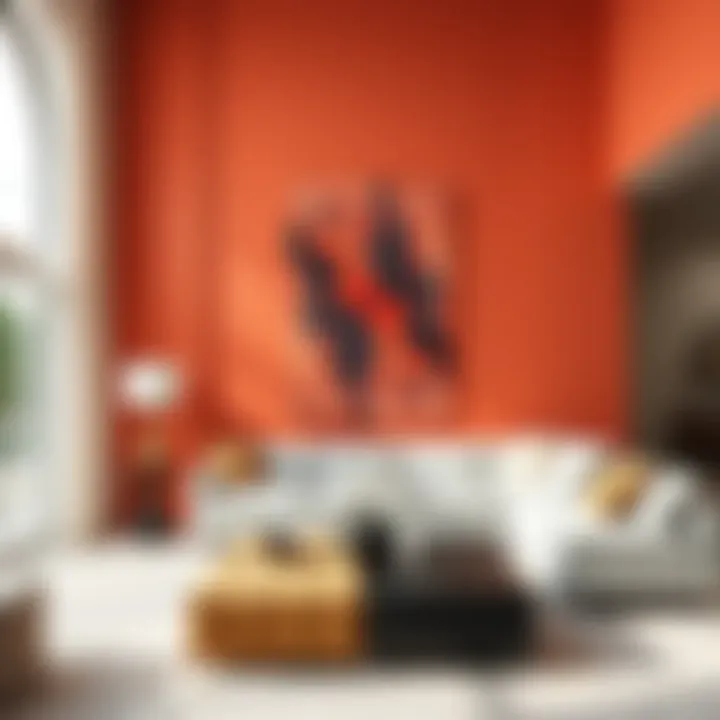
Large walls naturally draw the eye. This makes them ideal candidates for creating a focal point in a room. By using a striking piece of artwork or a bold color, one can immediately lead visitors to that central feature, setting the mood for the entire area. For example, a massive painting can evoke emotion and serve as a conversation starter. When considering what to hang on your big wall, think beyond simple framed art. Consider large-scale prints, tapestries, or even a strategically placed mirror that reflects light, thus enhancing the ambiance.
To maximize the impact:
- Think bold. Opt for larger-than-life images or colors that contrast with the rest of your décor.
- Layer within the wall. Use shelves to add depth or anchor pieces with visual weight at different heights.
- Consider lighting. Spotlighting or backlighting can change how a piece is perceived.
Using a large wall to create a focal point not only enhances the aesthetic appeal but also establishes a narrative within the room, guiding attention and enhancing spatial understanding.
Enhancing Perceived Height and Space
Another benefit of large walls is their ability to enhance perceived height and space. Tall walls contribute significantly to the feeling of grandeur and openness in a room. If a room has high ceilings, painted or papered large walls can complement that vertical space effectively. Vertical lines, such as stripes or tall bookshelves, can elongate the walls and draw the eye upward.
Interestingly, this technique of using wall orientation can change how we perceive the dimensions of a space. For instance:
- Light colors can make a room feel larger and more airy, while darker hues might provide a cozy, intimate effect.
- Vertical stripes or tall, narrow panels can create the illusion of greater height.
- Mirrored surfaces or reflective materials can also work wonders, adding instant depth.
"The height of a wall can change the character of a room. Use it wisely to sculpt your ambiance."
In essence, large walls have the power to control perceptions, making a space feel more expansive or inviting, depending on the design choices made. It's a delicate balance between aspiration and functionality—one that's worth considering carefully.
Color and Texture Considerations
When it comes to large walls in interior design, color and texture are not just about aesthetics; they play pivotal roles in creating a cohesive and inviting space. The thoughtful selection of colors and textures can influence not the only mood of a room but also how it feels structurally. By focusing on these elements, homeowners and designers can transform large walls from mere backgrounds into striking features.
Color Theory: Choosing the Right Palette
Choosing the right color palette for large walls is much like painting on a vast canvas. The choices made here affect not just the wall itself but the entire room's chemistry. Colors have various psychological impacts—they can calm a space or energize it.
- Neutral Colors: Using beiges, whites, or greys often expands a room visually, creating a sense of tranquility and harmony. For example, a soft grey tone can make a large wall appear much less formidable.
- Bold Colors: On the flip side, deep blues or rich greens can create a cocoon-like feel, providing an inviting yet dramatic space. These colors can pull you in and set a strong tone for the design.
- Accent Colors: When combined with other hues, accent colors can breathe life into large walls. For instance, pairing a stark navy with a bright yellow can create a striking focal point that draws attention.
The process of choosing a color palette should extend beyond just personal preferences. Consider elements like natural light availability, the size of the space, and even the existing furnishings that will remain in the room.
Incorporating Texture: Paints, Wallpapers, and Materials
Texture adds depth and dimension, transforming flat surfaces into dynamic experiences. A large wall can easily become flat and uninviting, but by incorporating various textures, it can tell a story all its own.
- Paint Options: Consider textured paints that can mimic the look of plaster or stone. These options create a visual interest that acts like artwork without overwhelming the space. A brushed or sponge-painted effect can provide a unique touch.
- Wallpapers: With advances in wallpaper materials, it's possible to choose designs that not only amplify color but also introduce a tactile element. Textured wallpapers, such as those imitating wood or fabric, can add warmth and character to large walls.
- Materials like Wood and Stone: Using wood panels or stone cladding can establish a rustic or modern vibe, depending on the configuration. For example, a wall clad in reclaimed wood can echo history and nature, while sleek stone can give a modern, minimalist touch.
Ultimately, the integration of color and texture should harmonize with the overall design vision. Every choice should complement not only the large wall itself but the room as a whole. A friendly approach could be to take samples back to your space—seeing how colors and textures interact with light and furnishings can often lead to the best decisions.
To sum up, color and texture are your best friends when designing around large walls. They can either open up possibilities or create a harmonious heartbeat of the room.
By diving deeper into these choices, the large walls in our spaces can evolve from blank canvases to fulfilling expressions of style and functionality.
Art and Decor Choices
The art and decor chosen for large walls plays a pivotal role in defining the character and ambiance of an interior space. With their vast surfaces, large walls invite creativity and provide a canvas for self expression, going beyond basic functionality. One can imagine these walls as blank slates, ready to be transformed into something visually striking. Selecting the right artistic elements fo large walls not only enhances aesthetic appeal but also fosters emotional engagement, turning a space into a reflection of personal taste.
When reflecting on how wall art contributes to a room's atmosphere, several factors come into play. These include:
- Subject Matter: Selecting pieces that resonate with occupants makes a significant difference. Artwork that tells a story or evokes a memory can foster connections.
- Size and Scale: Oversized pieces might seem intimidating, but strategically placed, they can lend a sense of grandeur. Conversely, using a collection of smaller pieces can create a lively gallery wall effect.
- Color Coordination: Harmonizing the colors of the wall art with the overall color palette of the room contributes to a cohesive design. This ensures that the art complements rather than distracts from the space’s vibe.
Additionally, wall art can influence mood and perception. An abstract painting drenched in warm hues might radiate energy, while a serene landscape in cooler tones can evoke tranquility. These subtle shifts can enhance one’s experience within the space.
Wall Art: Selecting Pieces that Resonate
Choosing art pieces that speak to you isn't just about visual impact; it's about establishing a connection. Think of a piece that sparks a memory or evokes an emotion every time you glance at it. It's this resonance that turns mere decoration into deeply personal expression. When picking wall art, one should consider not only personal preferences but also the story behind each piece. A canvas depicting a childhood memory or a recent travel adventure connects the viewer to their individual history, enhancing the room with layers of meaning.
Moreover, visiting local art galleries or exploring online marketplaces can yield unique gems that might not be found in mainstream stores. This quest for authentic, one-of-a-kind pieces can greatly enrich your collection. A well-rounded selection not only personalizes the space but can also become a converstation starter for guests.
Another factor is placement.
- Consider eye level for the best viewing experience.
- Group smaller pieces; they can create dynamic compositions.
"A room's walls are like a book, and art is the narrative that unfolds on those pages.”
Innovative Solutions: Murals and Installations
Murals and installations offer a unique twist to traditional wall decor, adding a depth and dimension that flat pieces can't mimic. Murals, whether painted or applied as wallpaper, can transform a mundane wall into a stunning backdrop. They can stretch across an entire wall or serve as a focal point, drawing the eye and igniting imagination. For instance, a mural depicting a lush landscape can create a sense of vastness in a small room, changing how space is perceived.
Meanwhile, installations often incorporate three-dimensional elements, allowing interaction with the space. Think of floating shelves arranged in a captivating pattern or a series of sculptural pieces jutting from the wall. These installations invite engagement, prompting viewers to not only look but also interact with the art.
Additionally, technology has paved the way for innovative designs. Digital wall art, dynamic projections, or even augmented reality experiences can adapt over time, keeping the space fresh and exciting. This merging of art and tech opens doors to endless possibilities, accommodating flexibility for future trends and tastes.
In the end, whether opting for a grand mural or a personalized installation, the key is to create a dialogue between the space and its occupants. Allow the walls to convey narratives, evoke emotions, and encapsulate the essence of those who dwell within.
Furniture Arrangement Around Large Walls
Arranging furniture around large walls is a crucial aspect of interior design. It not only dictates how the flow of a space is perceived but also influences functionality and comfort. With walls covering significant areas, strategic planning can enhance the room's design, effectively turning these vast surfaces from mere boundaries into engaging features of the interior. Examining furniture placement in relation to large walls opens up a treasure trove of possibilities and challenges.
Strategic Placement for Balance and Flow
Achieving balance and flow in a room often hinges on how furniture is distributed across large wall sections. Consider a massive wall in a living room that needs defining. Placing a large sofa directly against it can create a cozy nook, enhancing the area’s intimacy. However, how this couch interacts with other elements in the room can make or break the space’s appeal.
When positioning furniture, think about the natural lines and shapes within the room. Angling chairs towards each other rather than facing a wall fosters conversation. A coffee table positioned centrally can solidify the focus on the seating arrangement, encouraging a natural flow within the room.
- Start with your largest pieces of furniture. Place these first, as they serve as the visual anchors of the space.
- Consider traffic patterns. You want to ensure that movement isn’t restricted and people can wander through the room without feeling crowded.
- Use rugs as visual dividers. They can help define areas in wide-open spaces, giving a sense of order.
Also, consider introducing unexpected elements such as plants or sculptures near large walls. This adds interest to the design and invites exploration of the room, providing engaging focal points.

Using Furniture to Define Spaces
Large walls naturally present an opportunity to segment a space. With the right furniture arrangement, even an open-plan living area can feel intimate and purposeful. Think of a vast area that serves multiple functions: a living room, a dining area, and perhaps even a workspace. By using furniture thoughtfully, each section can be effectively delineated.
- Use shorter furniture pieces. For instance, a low bookshelf can act as a divider without obstructing sightlines, allowing light to flow freely while creating designated areas.
- Employ multifunctional furniture. A sofa bed, for example, double-duties as both a lounge and a spare sleeping space, maximizing functionality in smaller environments.
Moreover, it’s important to complement these arrangements with decor that resonates. Large walls can be adorned with shelves that display books or curated items that reflect your personality and style. This not only enhances the aesthetics but also plays a pivotal role in defining the environment.
By aligning furniture choices carefully against large walls, you transform the space into a tailor-made haven that reflects your personal taste.
In summary, furniture arrangement around large walls is not just about sticking things against the wall. It’s an art – one that requires a thoughtful approach to enhance both flow and function within any interior. The choices made can profoundly shape how a space feels and operates.
Functional Aspects of Large Walls
In the realm of interior design, large walls do much more than simply serve as boundaries. They present a unique opportunity to blend aesthetics with practicality, achieving a harmony that enhances the overall living experience. Understanding the functional aspects of these expansive surfaces goes a long way in maximizing their potential within any space. Large walls can play vital roles in organization, technology integration, and ambiance creation—elements that collectively contribute to a more efficient and visually appealing environment.
Storage Solutions: Shelving and Cabinets
One of the primary uses of large walls is to accommodate storage solutions. Shelving and cabinets can transform unused wall space into valuable storage areas, making them an integral part of home organization. Opting for built-in shelving units can effectively optimize the vertical space while keeping the room feeling airy and uncluttered.
- Custom Solutions: Tailored shelving can be designed to fit specific needs, providing an aesthetic that aligns with personal style while maximizing functionality.
- Open Shelving: A less conventional idea is open shelving. It can create a sense of spaciousness and allow personal items or decorative objects to shine.
- Cabinetry: Consider floor-to-ceiling cabinets for an impactful storage solution. They not only utilize height but can also complement your overall design theme, whether modern or traditional.
This incorporation of storage on large walls addresses the need for organization and can subtly steer the design narrative of the room. By carefully examining one's storage needs and the overall space, the right shelving or cabinets can turn a large wall from a blank canvas into an organized masterpiece.
Incorporating Technology Considerations
As technology becomes increasingly embedded in daily life, the role of large walls in facilitating tech integration cannot be overstated. Whether it’s for entertainment systems, smart home devices, or work-related technology, large walls can be a cornerstone in establishing functionality.
- Media Walls: Large walls are perfect candidates for a media wall, a feature that houses a television and additional tech while providing ample space for cable management and aesthetic considerations.
- Smart Panels: With the rise of smart homes, integrating devices like smart panels or sound systems into a large wall creates a seamless experience. The design can blend perfectly with the decor while enhancing convenience.
- Lighting Solutions: Technology doesn't stop at electronics. Implementing smart lighting systems onto these walls can transform the atmosphere and functionality, offering customizable lighting based on mood or time of day.
- For instance, a wall-mounted television can be paired with elegant cabinetry that conceals DVDs, gaming consoles, and other gadgets.
Incorporating such technologies not only improves the convenience of living and working environments but also enhances the visual appeal of the space. Proper integration ensures that large walls serve multiple purposes while looking stylish—a win-win scenario for both functionality and design.
In essence, large walls are not solely about striking a visual statement; they are also pivotal in enhancing the function of the home through clever storage solutions and smart technology integration, setting a foundation for a seamless and enriched lifestyle.
By thoughtfully considering how you can use large wall spaces, you open the door to a plethora of design possibilities that speak to both style and practicality. With effective storage and tech solutions in mind, large walls can become essential elements in home design.
Sustainable Design Practices
In today’s world, sustainable design practices are no longer an option but a necessity. The push towards eco-friendliness is reshaping the interior design landscape, particularly when it comes to large walls. Utilizing sustainable methods in decorating these expansive surfaces offers a myriad of benefits that align wit the growing demand for greener living spaces.
When it comes to large walls, sustainable designs can work wonders in three primary areas: aesthetics, functionality, and environmental impact. Homeowners, designers, and DIY enthusiasts alike are increasingly looking for ways to enhance their spaces without sacrificing the planet. By incorporating sustainable practices, not only do these design choices improve the aesthetics and functionality, but they also minimize the environmental footprint.
Here are some reasons why focusing on sustainable design for large walls is vital:
- Reduces Environmental Impact: Utilizing eco-friendly materials helps decrease the depletion of natural resources and reduces environmental harm.
- Improves Air Quality: Many sustainable materials emit fewer toxins and contribute to healthier indoor air quality.
- Enhances Property Value: Homes that implement sustainable practices tend to attract eco-conscious buyers who value such features.
"Eco-friendly choices can be as decorative as they are responsible, combining style with sustainability in a seamless manner."
Thus, exploring sustainable design practices for large walls encourages a holistic approach to interior design that benefits not only visual stability but also contributes to a better future for the planet.
Eco-Friendly Materials for Large Walls
When considering materials for large walls, opting for eco-friendly options is crucial. The materials you choose can significantly impact both the environmental footprint of your home and the health of its occupants. Here are a few common eco-friendly materials that can elevate your large wall designs:
- Bamboo: Renowned for its rapid growth, bamboo is a renewable resource that serves as a fantastic wall covering. Whether used as panels or woven options, it lends itself beautifully to a variety of styles.
- Reclaimed Wood: This choice not only brings character to your walls but also repurposes old materials, giving them new life and reducing waste.
- Low V.O.C. Paint: Paint can release volatile organic compounds (VOCs) into the air, causing health concerns. Low V.O.C. paints not only minimize this issue, but they also come in a variety of colors to suit any design preference.
- Recycled Glass: Utilizing recycled glass in wall installations can create stunning textures and patterns, showcasing a blend of artistry and sustainability.
By selecting these materials, homeowners and designers can create an atmosphere that stands out while also remaining eco-friendly. This approach facilitates a modern aesthetic without compromising on responsibility.
Ethical Sourcing Considerations
Beyond material choice, how those materials are sourced makes a world of difference in sustainable practices. Ethical sourcing entails obtaining materials in a manner that is considerate of both environmental factors and social implications. Here are some guiding points to consider:
- Local Sourcing: Whenever possible, purchase materials that are locally sourced. This practice supports local economies and reduces the carbon footprint associated with transportation.
- Fair Trade: Ensure that materials, particularly those sourced from developing countries, come from fair trade suppliers. This ensures that workers involved in harvesting or crafting the materials receive equitable wages and work conditions.
- Certifications: Look for materials that have certifications such as Forest Stewardship Council (FSC) for wood products or Global Organic Textile Standard (GOTS) for textiles, which ensure environmentally friendly practices are upheld in their production.
- Transparency: When selecting products, prioritize companies that are transparent about their material sourcing and production processes. Knowledge about the origins and processes can foster more ethical decisions.
Maintenance of Large Walls
Maintaining large walls is not just about keeping them clean; it's about ensuring these significant surfaces continue to enhance the beauty and functionality of a space. Large walls serve as the backdrop for various design elements, influencing the overall atmosphere of a room. Proper maintenance can extend their lifespan and preserve their visual appeal. Let’s explore why such maintenance matters and how to effectively approach it.
Cleaning and Upkeep Guidelines
Regular cleaning is crucial for large walls, especially since they can gather dust, stains, and grime over time. Depending on the material—be it painted drywall, plaster, or even wood paneling—different cleaning methods may be necessary. Here are some general tips for keeping your walls in tip-top shape:
- Dust Regularly: Use a microfiber cloth or a duster to remove dust from the wall surface. This not only keeps the appearance tidy but can help maintain the integrity of the paint or finish.
- Spot Clean Stains: For pesky stains, prepare a mixture of warm water and mild detergent. Test this solution in a hidden area to ensure it doesn’t alter the wall’s color or texture. Dab the stain gently, avoiding excessive scrubbing.
- Use Appropriate Cleaners: If you're dealing with a textured wall or more significant dirt accumulation, consider a dedicated wall cleaner. Always follow the manufacturer's instructions.
- Schedule Regular Checks: Plan to inspect your walls quarterly. Look for signs of wear or damage, like peeling paint or cracks, which can signal the need for more extensive repairs soon.
Following these guidelines can make a significant difference in how your large walls look and function over time.
Repairing Wall Issues: What to Know
Even with diligent care, walls can suffer from various issues such as peeling paint, cracks, or water damage. Addressing these problems promptly is essential to prevent further deterioration. Here's what to consider when dealing with wall repairs:
- Identify the Problem Early: Check for signs of damage, such as discoloration, bubbling paint, or cracks. Early detection can save you from bigger headaches later on.
- Peeling Paint: To fix peeling paint, carefully scrape away the loose areas using a putty knife. Sand the surface smooth and clean it before applying a primer and repainting.
- Cracks and Holes: For small cracks, a simple filler can do the trick. For larger holes, it may be necessary to patch the area with a piece of drywall, applying joint compound and sanding it for a smooth finish.
- Water Damage: This is a more serious issue. Inspect the source of moisture, which might involve checking plumbing or roofing. Once the leak is fixed, you can address the wall damage with appropriate repairs and possibly even mold remediation.
"Regular maintenance and timely repairs prolong the lifespan of large wall areas, ensuring your space remains beautiful and inviting."
In summary, maintaining and repairing large walls is pivotal for aesthetic and structural reasons. By establishing a routine cleaning schedule and being proactive about repairs, homeowners and designers can ensure that large walls continue to provide both form and function in any space.
Case Studies: Successful Wall Designs
Exploring real-life examples of how large walls have been utilized effectively in both residential and commercial spaces sheds light on their transformative potential. Case studies allow us to analyze various approaches, materials, and design philosophies that resonate well, offering us a toolkit of ideas for our own spaces. Whether it’s the choice of colors, the arrangement of furniture, or the incorporation of technology, these insights serve as a beacon for homeowners and designers alike.
Residential Spaces: Inspiration from Homes
In the realm of residential design, large walls can be a canvas for people to express their personalities. For instance, consider a modern home in Seattle that successfully integrates an open-concept living area with a striking feature wall made of reclaimed wood. This choice not only breathes warmth into the space but also introduces texture and sustainability. Homeowners have the freedom to decorate this expansive wall with personal artwork or photographs, creating a gallery-like environment that speaks to their lifestyle and history.
Moreover, the use of warm colors, like terracotta and yellows, has been noted to stimulate a sense of coziness, making rooms feel inviting. In an example from Portland, a family chose to paint their large wall with a rich, deep green, creating a serene backdrop against which lighter furniture stands out sharply. This contrast enhances the visual appeal without overwhelming the senses.
Key Takeaways:
- Emphasis on reclaimed materials contributes to sustainability and unique design.
- Color choices can significantly alter the room's atmosphere.
Some decor choices also play a role in these residential spaces. Large-scale art pieces or oversized mirrors can amplify light and space. A family in suburban Chicago transformed their living room by placing a large, frameless mirror on a wall, making the area feel airy and open.
Commercial Applications: Functional Aesthetics
In commercial settings, large walls often serve dual roles; they not only beautify but also function as a strategic part of a marketing strategy. Take, for instance, a trendy café in San Francisco that uses its back wall as a mural backdrop. It's not just an aesthetic choice; it also acts as a brand identity marker, attracting customers and encouraging social media photo shares.
Another notable example can be found in office spaces where tech giants have opted for expansive whiteboards that span entire walls. This setup encourages brainstorming sessions and enhances collaboration among teams. The big wall becomes a place for ideas to grow visually, allowing employees to contribute creatively in an engaging manner.
Considerations for commercial designs:
- Functional elements should align with brand identity.
- Engaging decor can promote not only aesthetics but also teamwork and innovation.
"In designing commercial spaces, it’s critical to think beyond mere appearance. Each wall should promote functionality while remaining a part of the overall narrative of the brand."
As we observe these cases, one common thread emerges: large walls offer an opportunity for bold statements. They can unify spaces, guide visual flow, and become integral components of both residential and commercial designs. Each case provides us a lesson in balancing creativity with functionality, valuable for anyone looking to maximize the potential of large wall areas.
For additional insights into large wall utilization in design, check these resources: Wikipedia - Interior Design, Britannica - Home Design, Reddit - Interior Design Ideas.
Ends: The Future of Large Wall Design
As we navigate the evolving landscape of interior design, large walls play an undeniably pivotal role in how spaces are structured, perceived, and experienced. The importance of these expansive surfaces lies not just in their size, but in their potential to transform the very essence of a room. Addressing the future implications of large wall design is crucial for homeowners and designers alike, as it helps to outline a vision that marries aesthetics with functionality.
Emerging Trends and Innovations
With technology advancing at a blistering pace, new trends are beginning to shape the way large walls are designed and utilized. One major trend that stands out is the increased use of digital art installations. These allow homeowners to rotate artwork seamlessly, adapting the space to reflect moods or seasons without the hassle of multiple physical pieces cluttering the walls. Moreover, the rise of biophilic design, which integrates natural elements into interiors, is gaining traction. By incorporating large living walls—actual vertical gardens—designers not only beautify large spaces but also enhance air quality, bringing the outdoors inside.
Additionally, sustainable materials have become a hot topic. The future is leaning towards eco-conscious choices such as bamboo panels, reclaimed wood, and recycled glass substrates, which not only look stylish but help mitigate environmental impacts. Homeowners are increasingly considering how their choices on large walls can promote sustainability while still achieving that signature sleek look.
Integrating Technology and Design
Today's technology offers unprecedented opportunities in the realm of large wall design. The concept of smart walls is gaining popularity, where walls feature integrated technology that can serve multiple purposes—from touchscreen capabilities for interactive displays to built-in sound systems that enhance audio experiences. Imagine a wall that adapts its color scheme based on the time of day or your mood, creating a dynamically responsive environment.
Furthermore, the rise of augmented reality applications allows homeowners to visualize changes before making them. By simply pointing a device at a large wall, one can see various paint colors, artwork placements, or wall textures superimposed in real-time. This not only aids decision-making but also enhances creativity.