
Essential Guide to Furniture Grips for Wood Floors


Intro
In the realm of home design, the intricate dance between functionality and aesthetics is pivotal. Homeowners, renters, and designers alike often find themselves grappling with how to maintain the beauty and longevity of wood floors while fostering a comfortable living space. Furniture grips, though often overlooked, play a critical role in this equation.
These specialized products not only protect your wooden surfaces but also enhance the stability of your furniture, preventing unwanted displacement and protecting against unsightly scratches. The right grip can make all the difference, turning everyday furniture arrangements into a cohesive and visually pleasing setting. As we delve deeper, this guide will lay out the various types of grips available, explore installation methods, and discuss maintenance strategies, ensuring that both your flooring and furniture arrangements harmoniously coexist.
Furniture Trends
Current Market Trends
The furniture grip market has evolved with a surge in consumer awareness regarding floor preservation. From silicone pads to rubber grips, these products have seen innovations that cater to both style and functionality. Consumers today lean towards grips that blend seamlessly with their decor while providing robust protection. The trends reflect a greater emphasis on sustainability and durability, as eco-friendly materials are becoming prevalent. Homeowners are not just looking to protect their floors but also to enhance their home’s overall aesthetic.
Popular Styles and Designs
In examining popular styles, minimalistic designs continue to dominate, emphasizing functionality without unnecessary frills. Many grips are now designed to be nearly invisible, letting the beauty of wooden floors shine through without distraction. Other elements of contemporary design include:
- Transparent Grips: These offer a nearly invisible layer of protection, allowing the natural wood grain to stand out.
- Colored Grips: For those looking to add a pop of color, grips in various shades can complement or contrast with the furniture.
- Textured Surfaces: Some products boast textures that not only grip better but also add an aesthetic nuance that appeals to the tactile senses.
"Choosing the right furniture grips is like picking the perfect shoes; you need something that fits, feels good, and looks great."
Practical Applications
When it comes to applying these grips, the use cases are extensive. For instance, placing grips under heavy armchairs can prevent them from shifting during use. Similarly, using them under tables can safeguard against scratches while allowing for easy repositioning when needed.
Another practical aspect is their role in protecting not just wood floors but also the furniture itself. Grips can absorb shocks, ultimately increasing furniture lifespan. This preventive measure can save money in the long run, signaling a wise investment.
Maintenance Tips
Maintaining the integrity of both grips and wooden floors requires some simple yet effective practices:
- Regular Check-Ups: Periodically inspect grips and replace them if they show signs of wear and tear.
- Cleaning Surfaces: Keep both the grip and the floor clean to ensure optimal adherence and prevent residue buildup.
- Avoid Excessive Moisture: Water and wood do not mix well. Use coasters and avoid over-wetting during cleaning to ensure longevity.
Prelims to Furniture Grips
When it comes to preserving the elegance of wood floors, the subject of furniture grips simply cannot be overlooked. Furniture grips serve a dual purpose: they not only protect your wooden surfaces from unsightly scratches and dents but also ensure stability and safety for the furniture itself. Anyone who has rearranged a living room knows the frustration of chairs and tables shifting unexpectedly. Having the right grips in place can make a world of difference in maintaining order and elegance within your home.
Defining Furniture Grips
Furniture grips can be best described as protective accessories designed to prevent furniture from sliding around or damaging the floor underneath. These grips come in various forms: adhesive pads, rubber feet, felt pads, and even suction cups. Each type provides unique benefits, but they all aim to tackle the same core issue: minimizing friction between furniture legs and the floor surface.
For instance, when discussing adhesive grips, one might think of double-sided tape that clings to the bottom of a chair leg. In contrast, a felt pad offers a softer, more forgiving surface that reduces the risk of scratches while allowing furniture to slide gracefully. Understanding the nuances of these options is crucial for homeowners and designers alike, as choosing the wrong type may lead to more problems in the long run.
Importance of Protecting Wood Floors
Protecting wood floors is more than just an aesthetic concern; it's a matter of preserving the longevity of your investment. Wood flooring can be pricey, and many homeowners opt for these materials because of their timeless beauty. However, without proper care, your floor can face wear and tear that detracts from its charm.
Consider the following points regarding the importance of floor protection:
- Prevention of Scratches: Everyday movement—where couches, dining tables, and chairs are regularly shuffled—can harbor damage when proper grips are not in place.
- Stability and Safety: Furniture that lacks grips can slip, presenting hazards in homes with children or elderly occupants. Stability is key to ensuring safe environments.
- Cost-Effectiveness: Replacement or extensive repair of damaged flooring is far more expensive than investing in grips that safeguard your surface.
In sum, ignoring the need for furniture grips could inadvertently lead to costly repairs and diminish the visual appeal of your wood floors. Understanding these fundamentals can empower homeowners, renters, and designers to make better choices as they strive to maintain the beauty and safety of their spaces.
Types of Furniture Grips

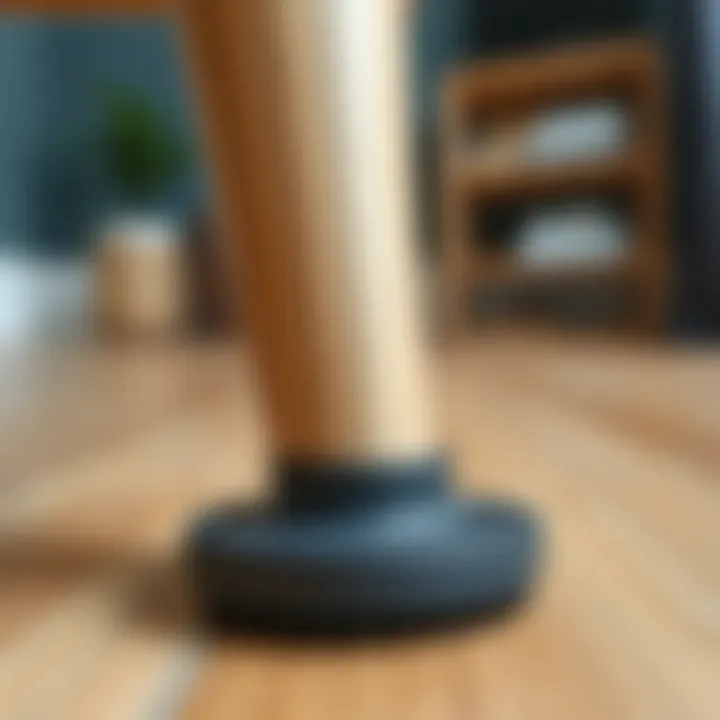
When it comes to maintaining the elegance and functionality of wood floors, understanding the different types of furniture grips is crucial. These grips not only protect the floor surface but also add stability to furniture and prevent unwanted movement. Whether you’re a homeowner looking to safeguard your living room or a designer aiming to ensure a flawless finish, knowing the particulars of each grip type will significantly influence your choices and outcomes.
Adhesive Grips
Adhesive grips are a popular choice because of their simplicity and effectiveness. With a peel-and-stick application, they’re incredibly user-friendly. Just clean the surface of your furniture legs and attach the grip. It’s as easy as pie, and they provide a solid bond that prevents sliding.
However, not all adhesive grips are created equal. Depending on the design of the grip, some may provide better traction than others. For instance, rubberized adhesive grips tend to perform better on wood floors. One point to keep in mind is that over time, the adhesive can lose its strength, especially in warmer conditions or areas with high humidity. Therefore, periodic checks can help maintain functionality, ensuring your floors stay protected.
Plastics and Rubber Grips
Moving on to plastic and rubber grips, these materials bring a unique set of benefits to the table. They act like a barrier, absorbing shocks when furniture is moved around. This feature is especially beneficial for larger items like sofas or dining tables which may cause more wear on surfaces.
Rubber, known for its sticky properties, helps keep furniture anchored, while plastic grips, especially those designed with textures, can help reduce sliding effectively. Be mindful that while rubber grips offer great traction, they can sometimes leave marks on softer wood floors. Therefore, careful selection based on your specific floor type is vital.
Felt Pads
Felt pads are another fantastic option, particularly when you want to avoid any scratches on your wood floors. They are exceptionally soft and act as a cushion between the furniture and the floor surface. Felt pads come in various sizes and thicknesses, allowing for customization depending on the type of furniture you are protecting.
They perform particularly well on frequently moved furniture, such as chairs or tables. One key aspect to take into account is that felt pads can accumulate debris. A regular cleaning routine is beneficial to ensure they don’t compromise their protective abilities. To keep your floors looking pristine, make it a habit to check and replace worn-out felt pads as needed.
Suction Cups
Last but not least, we have suction cups. They're often overlooked but can be incredibly effective when used correctly. Designed for lightweight furniture, they create a vacuum-like seal against the floor surface. This can be particularly useful for items like glass tables or decor that could otherwise slide around easily.
Suction cups work best on smooth surfaces and may not be suitable for all types of wood floors. It’s important to note that these can lose suction over time, particularly if there are dust or debris in the way. Regularly checking their adhesion will ensure they maintain their grip and provide you with the desired stability.
"Choosing the right type of furniture grip can save you from a lot of headaches down the line. Spending a bit more time doing your research can go a long way toward protecting your investment."
Selecting the Right Furniture Grip
Choosing the right furniture grip for wood floors is a task that shouldn't be taken lightly. The right grip not only enhances the stability of your furniture but also protects your floors from unsightly scratches and dents. With so many options on the market, knowing what to consider can make a big difference. Here, we will dissect key factors that should guide your selection process, ensuring you pick grips that meet your needs effectively.
Assessing Floor Type
First off, you need to consider the type of wood floor you have. Different finishes and textures can greatly influence the effectiveness of a grip. For example, if you've got a hardwood floor with a shiny finish, you might prefer grips that offer a firmer hold. On the other hand, if your floors are more rustic and textured, softer grips might work better.
- Finish Considerations: High-gloss finishes may require adhesive grips that won't slip easily, while matte finishes can accommodate a range of grip types.
- Surface Conditions: Any imperfections in your floor can also affect how well a grip adheres. Make sure to assess if your floor has scratches or uneven spots that could impact performance.
Understanding Weight Distribution
Weight distribution plays a crucial role in determining which grip is suitable for your furniture. Heavier pieces, like solid wood chairs or large tables, need grips that can handle more weight without losing their grip. Conversely, for lighter furniture, you may find that less robust options are perfectly adequate.
- Think About Placement: Where you place your furniture can also affect how weight is distributed. For instance, if the furniture is placed on an incline, a more robust grip might be necessary.
- User Interactions: If people frequently sit down or stand up from a particular piece, you will want to prioritize stability. This might mean opting for grips that provide great adherence, ensuring both safety and convenience.
Evaluating Aesthetic Compatibility
Let's face it, aesthetics matter. When selecting furniture grips, it's necessary to find options that align not just functionally but also aesthetically. After all, the grip shouldn’t draw unnecessary attention away from your beautifully arranged living space.
- Color and Texture: Some grips come in various colors and finishes, allowing you to select ones that complement rather than clash with your furniture. Neutral colors like beige or gray can blend well without stealing the show.
- Design Considerations: The design of the grip can also matter. Sleek and subtle designs tend to work well in modern settings, while more pronounced grips might fit better with vintage or eclectic decor.
"Selecting the right furniture grip is about striking a balance between functionality and aesthetics. Your home deserves both protection and style."
By carefully considering these factors—floor type, weight distribution, and aesthetic compatibility—you can make a decision that not only serves your practical needs but enhances the beauty of your space as well. Taking the time to choose wisely ensures that your furniture remains stable while your wood floors maintain their pristine condition.
Installation of Furniture Grips


The installation of furniture grips is a pivotal step in ensuring the longevity and performance of your wood floors. Not only do these grips serve as protective layers that prevent damage, but they also enhance stability. Installing grips properly can significantly reduce the risk of slipping furniture and the subsequent scratches and dents on a beautiful wooden floor. It’s not just about sticking something under your chair leg; it’s about choosing the right grip and ensuring it adheres well to provide the support needed.
Preparation of Surfaces
Before delving into the installation process, prepping the surfaces is key. Start by cleaning the floor where the furniture will sit. Dust, grime, or wax can hinder adhesion. Wipe the area with a damp cloth and allow it to dry completely. For greasy spots, you might want to use a mild detergent. The goal is a squeaky-clean surface, so no debris or residue exists when you apply your grips.
You should also inspect the furniture legs. Check for any damage or rough spots. If the legs have scratches or protrusions, they could interfere with the grip’s effectiveness. It might be wise to sand down any uneven areas for a smoother contact surface. A flat, clean surface maximizes the potential for proper adhesion and long-lasting performance.
Step-by-Step Installation Guide
- Choose the Right Grip: Based on your furniture’s weight and the type of wood flooring, select either adhesive grips, felt pads, or rubber grips.
- Measure and Mark: For accuracy, measure the diameter of the furniture legs. If necessary, cut the grips to the right size. Mark where each grip will go on the leg if your grip is larger than the leg itself.
- Apply the Grips: Start by peeling off the backing from the adhesive grips. Align them carefully and firmly press them onto the marked areas or furniture leg ends.
- Check Alignment: Ensure that grips are aligned correctly to avoid wobbling or slipping. It might help to stand back a bit and look at the overall arrangement.
- Press Down Firmly: This is where you make sure everything’s secure. Apply even pressure for a few moments to help anchor the grips.
- Let It Sit: If your grips require time to set, let the furniture sit undisturbed for at least 24 hours before moving it. This ensures the best adhesion.
Ensuring Proper Adhesion
After installing your furniture grips, ensuring they stick well is crucial for ongoing effectiveness. Here are a few tips to maintain strong adhesion:
- Avoid Moisture: Keep the area dry. Excessive moisture can weaken adhesive bonds, making slips more likely.
- Regular Checks: Inspect the grips at least once a month. If they start to peel or lift, it’s time for a replacement.
- Weight Consideration: Be mindful not to place excessive weight on furniture right after installation; give the grips time to bond effectively.
By following these steps and keeping an eye on the condition of your furniture grips, you’ll help protect your beautiful wood floors and maintain stability in your living space. The effort of proper installation pays off, leading to fewer headaches down the line.
Maintaining Furniture Grips
Keeping your furniture grips in tip-top shape is crucial for preserving the integrity of your wood floors and the functionality of your furnishings. Just like we pamper our cars or our tech gadgets, regular maintenance of furniture grips ensures they’re doing their job effectively. When you take the time to maintain these grips, you’re not just extending their life; you’re actively protecting your wood floors from scratches and dents caused by moving furniture. The process is straightforward, and investing a little effort goes a long way in preserving both aesthetic appeal and functionality.
Regular Cleaning Practices
Dirt and grime have a sneaky way of building up on furniture grips. When these grips accumulate dust or debris, they can lose their adhesive properties or become less effective altogether. Consider making cleaning a part of your routine as you rearrange furniture or during your regular cleaning schedule.
Here’s a handy approach to keeping those grips squeaky clean:
- Gather Simple Supplies: You’ll typically need a soft cloth and a mild cleaning solution or soap and water.
- Wipe Down Regularly: When you dust or vacuum, take a moment to wipe down the grips. This small effort can prevent dirt from becoming entrenched.
- Inspect for Stains: If there’s any sticky residue, a bit of rubbing alcohol on a cloth can help dissolve stubborn spots.
It’s essential to let the grips dry fully after cleaning; moisture can weaken adhesive properties and invite the risk of slipping.
Maintaining clean grips is a straightforward method to ensure they last longer and keep working effectively. Remember, the cleaner your grips are, the better they perform.
Checking for Wear and Tear
Just like your car tires need checking, your furniture grips also deserve a good look-over now and then. Over time, they may wear down due to constant pressure, friction, and the natural movement of furniture. Here’s how to identify and assess the condition of your furniture grips:
- Visual Inspection: Regularly check if they appear worn or cracked. Watch for any deformation or discoloration which could indicate their effectiveness is waning.
- Test Stability: Occasionally, push or pull the furniture slightly. If you notice slipping or the grip seems loose, it might be time for replacement.
- Monitor Responsiveness: Some grips, especially those that adhere, should stay put. If they begin to shift or don’t adhere after cleaning, their adhesive capabilities might be compromised.
Keeping an eye on these simple signs can save you from costly floor repairs and maintain the best function of your furniture. In a world where everything seems to be rushing around, taking a moment here and there to maintain and check your furniture grips can make all the difference.
In essence, maintaining your furniture grips is not just about looks; it's about safeguarding your valuable wood floors for many years ahead.
Common Issues and Solutions
When it comes to protecting wood floors, identifying common issues related to furniture grips is key. Mitigating these concerns not only safeguards the integrity of the flooring but also enhances the overall usability and aesthetic of your living spaces. In this part of the guide, we will focus on two prevalent problems: slipping furniture and scratches that arise from inadequate or poorly chosen grips. Understanding these issues helps homeowners and designers alike to make informed decisions regarding their furniture arrangements and the suitable grips to use.
Slipping Furniture
One of the most frustrating issues with furniture grips is the unexpected slipping of items like chairs or tables across wood floors. This common nuisance can arise from several factors, including the type of grip used, the weight of the furniture, and the surface of the floor itself. Slippage can lead not only to unwanted movement but also to stress on the floor, potentially causing scratches or dents.
To address this problem, consider the following points:
- Assess the Type of Grip: Some grips simply don’t perform well on smooth surfaces. For example, rubber grips generally provide better traction than felt pads on wood floors.
- Optimize Weight Distribution: Ensure that the furniture items are balanced in weight. Lighter chairs, for instance, may benefit from more substantial grips or even heavier versions designed specifically to hold down lightweight pieces.
- Regular Inspections: Keep an eye on furniture placements. Sometimes just moving a piece slightly can re-engage the grip underneath, enhancing its effectiveness.
Adopting the right strategies will minimize the likelihood of slipping and ensure that your furniture stays anchored.
"A cheap grip today could invite costly damage tomorrow."
Scratches and Damage
Scratches on wood floors are often a result of furniture movement. Even minor shifts can lead to marks that degrade the aesthetic and value of your flooring. Various factors can contribute to scratches, including the material of the grip, the weight of the furniture, and the type of wood finish. Tackling this problem involves understanding its underpinnings:
- Choose Quality Grips: Not all grips are created equal. Adhesive grips may lose their stickiness over time, while high-quality felt pads can cushion the movement of furniture significantly better.
- Size and Fit Matter: Sometimes a poorly fitting grip can exacerbate the issue. For instance, if a grip is too small for the leg of a sofa, it may not adequately cover the floor area, leading to friction and eventual scratches.
- Assess Flooring Type: Certain wood finishes are softer and more prone to scratches than others. Knowing this can help you select appropriate grips that provide sufficient protection.
In summary, regular care and appropriate choices regarding furniture grips can greatly minimize damage to wood floors and extend their lifespan.
Sustainable Choices in Furniture Grips
Selecting furniture grips that prioritize sustainability is not just a passing trend; it is a necessary shift toward preserving our environment and ensuring long-lasting quality for our homes. As awareness about climate change and environmental degradation grows, homeowners, renters, designers, and DIY enthusiasts are increasingly looking for ways to make more informed choices. Sustainable furniture grips, specifically designed for wood floors, play an integral role in this new consciousness.
Eco-Friendly Materials
When considering furniture grips, the choice of materials is paramount. Eco-friendly materials can significantly reduce the carbon footprint associated with furniture and home improvement products. Several alternatives exist that offer robust qualities without compromising the environment. For example, grips made from natural rubber or biodegradable plastics are increasingly popular. These materials not only provide the necessary traction but also break down more easily at the end of their life cycle compared to their petroleum-based counterparts.
Utilizing wood sourced from sustainably managed forests is another example. Products created from reclaimed wood or bamboo, known for their rapid growth and sustainability, can be both aesthetically pleasing and environmentally friendly. Choosing furniture grips made from these materials doesn’t just help maintain wood floors; it also contributes to biodiversity by ensuring that harvesting doesn't deplete resources.
Moreover, there are also innovative synthetic materials designed to mimic the properties of traditional grips while being produced with lower environmental impact. When shopping for furniture grips, look for certifications like FSC (Forest Stewardship Council) or other eco-labels that verify the sustainability of materials.
"The choices we make for our homes should reflect our values, including our commitment to a healthy planet."
Ethical Sourcing Practices
Beyond the materials themselves, the sourcing practices of manufacturers are equally vital. Ethical sourcing means ensuring that materials are obtained in a manner that is both socially and economically responsible. Factors such as fair labor practices, community engagement, and transparency in supply chains can enhance the sustainability of furniture grips significantly.
When exploring your options, it’s wise to delve into how the products are made. Companies that prioritize ethical sourcing often provide detailed information about their production methods. For instance, brands that ensure their workers are treated fairly and work in safe environments tend to foster a positive company culture that resonates with environmentally conscious consumers.
Furthermore, supporting local suppliers can cut down on transportation emissions, making the journey from production to your home much greener. Buying locally sourced furniture grips can also stimulate the local economy, as it helps keep production and jobs in your community.
By choosing products created with ethical sourcing in mind, you not only protect your floor but also support broader social and environmental goals.
Understanding these aspects of sustainable choices in furniture grips allows you to enhance the longevity of your flooring while also elevating your ecological consciousness. It's about making a choice that marries efficiency, functionality, sustainability, and ethics into your lifestyle.
The End
As we wrap up this exploration of furniture grips for wood floors, it’s clear that the choices we make concerning these simple yet impactful items can significantly affect the longevity and aesthetics of our beloved wooden surfaces. These grips not only stabilize furniture, preventing unwanted slips and scratches but also enhance the overall design of interiors, blending functionality with style.
Summarizing Key Points
To summarize, the importance of furniture grips cannot be overstated. Here are the key points to consider:
- Protective Role: The grips prevent damage to wood floors, which is often a big investment for homeowners.
- Stability Enhancement: They help in steadiness – no one appreciates wobbly furniture that can tip over at the slightest nudge.
- Variety of Options: From adhesive grips to felt pads, there’s a suitable type for different furniture pieces and room aesthetics.
- Installation and Maintenance: Correct installation and regular maintenance ensure that the grips perform optimally over time.
- Sustainability: Eco-friendly choices are available, allowing conscientious consumers to secure their furniture while also caring for the environment.
In essence, the integration of effective furniture grips can foster not only the structural integrity of your space but also your peace of mind.
Final Thoughts on Furniture Care
When considering how to care for your furniture and wood floors, remember: thoughtful choices lead to lasting outcomes. By opting for well-suited furniture grips, you invest in the preservation of your flooring, enhancing your living experience. It’s not merely about function; it’s also about the harmony of your environment.
Every piece of furniture in your home tells a story. Ensure that the narrative remains untouched by the wear and tear that can come from neglecting proper care. Take steps now to safeguard these stories for the long haul. Investing a small effort in selecting and maintaining the right grips can yield significant benefits down the road, leading to a space that is both beautiful and practical.
"An ounce of prevention is worth a pound of cure." - Benjamin Franklin
Ultimately, the relationship between furniture and flooring is a delicate dance. Invest wisely in furniture grips to keep that dance fluent and harmonious.