Home Design Cabinets: A Guide to Style and Function
Intro
When it comes to home design, cabinets often don’t get the spotlight they richly deserve. Many homeowners see them as mere utilitarian structures, missing the chance to appreciate their capabilities in boosting both form and function. In this exploration of cabinets, we’re diving deep into their varied roles, from providing valuable storage solutions to enhancing the visual appeal of living spaces.
Cabinets are more than just boxes; they are foundational pieces in crafted environments. Whether you’re a DIY enthusiast trying to maximize space, an interior designer seeking the latest trends or a homeowner wanting to refresh your surroundings, understanding cabinet design is essential.
Throughout this discussion, we will wander through the latest furniture trends, dissect popular styles and designs, and touch on practical DIY projects—offering you a holistic view of cabinets. Let’s gear up to unlock secrets of maintaining and refurbishing the cabinets we hold dear, aligning our choices with sustainability and innovation throughout.
Furniture Trends
Current Market Trends
As we look at today’s cabinet options, a few trends are making headlines in home design. There’s a notable tilt towards minimalism. Homeowners are favoring sleek lines and understated elegance over ornate pieces. This has made European styles, specifically Scandinavian designs, gain traction. Light woods like birch and pine seem to be popping up more often, creating airy and bright spaces.
Additionally, biophilic design is taking root, leading people to incorporate natural materials and finishes that echo the outdoors. Think rattan, reclaimed wood, and even metals that resemble natural textures.
Popular Styles and Designs
Many consumers find themselves drawn into specific cabinet themes.
- Shaker Style: With its clean, simple lines, this style offers a timeless appeal. Shaker cabinets often break free from elaborate detailing, focusing on functionality and craftsmanship rather than ornamentation.
- Modern Farmhouse: This design marries cozy with chic, often featuring distressed finishes. The look strikes a chord for those wanting a touch of homey feel while staying fashion-forward.
- Industrial Chic: Metal and wood combinations rule in this genre, often showcasing an unfinished look. The raw aesthetic speaks volumes to those embracing urban living.
"The right cabinets can transform a dull space into a statement of style and practicality, merging elegance with everyday usability."
As more homeowners become conscious of their design choices, sustainable materials in cabinet-making are seeing a surge. It aligns not just with environmental responsibility but also with the desire for unique pieces that tell a story.
To stay ahead, consumers often study influences from platforms like Pinterest or Instagram, where trends can shift just as quickly as the seasons. This digital age allows for rich visuals and ideas to inspire transformations in cabinetry designs.
DIY Projects
Step-by-Step Guides
For those inclined to roll up their sleeves, the world of DIY cabinets can be an adventure worth embarking on. A simple overhaul could involve repainting or refinishing existing units.
- Preparation: Remove hardware and clean the surfaces thoroughly.
- Sanding: Smooth the surfaces – this is a must for a clean finish.
- Primer: Apply a primer uniformly if changing color drastically.
- Painting or Staining: Choose your finish and apply in thin coats to avoid drips.
- Finishing Touches: Replace old hardware with something fresh to rejuvenate the overall look.
Budget-Friendly Ideas
Not everyone has deep pockets for a cabinet overhaul. Fear not, creative minds can achieve stunning results without breaking the bank.
- Open Shelving: Removing cabinet doors creates an open and airy feel. Use brackets for rustic-style support.
- Decals and Stickers: Transform plain cabinet doors with decorative adhesives. Just ensure they’re removable, as tastes can change!
- Repurposing: Old furniture can come alive as a unique cabinet. Resurfacing or adjusting dimensions opens the door of creativity.
By exploring different cabinet styles and embracing practical DIY approaches, you can create spaces that harmoniously balance beauty and utility. The journey of cabinet design is rich and rewarding, making it essential for every design enthusiast to pay attention to what these features can truly achieve in their homes--resulting in both style and enduring satisfaction.
Understanding the Role of Cabinets in Home Design
Cabinets play an integral role in the overall scheme of home design, serving as both practical storage solutions and significant aesthetic elements. In today's homes, they are much more than simply places to stow away odds and ends; they influence the flow and feel of spaces, contributing to the character of each room. Homeowners and designers alike are recognizing that cabinets can elevate the interior by embodying different styles, materials, and functionalities. This section delves into the importance of cabinets, touching on their multifaceted benefits alongside the necessity for thoughtful selection in design.
The Evolution of Cabinets in Interior Design
The history of cabinets reflects broader shifts in design philosophies and lifestyle changes. Originally, cabinets were built for storage, often hidden behind elaborate doors or in dark corridors, serving a meager function without consideration for aesthetics. However, as interior design began focusing on the integration of beauty and utility, cabinets started to evolve.
- From Functional Pieces: In earlier centuries, cabinets were essentially utilitarian. They were constructed mostly for functionality and made with simple materials. Think of the heavy hand-carved wooden cabinets from the Victorian era emphasising storage needs but lacking visual appeal.
- Emergence of Decorative Elements: By the mid-20th century, the concept started shifting. Styles like mid-century modern introduced sleek designs, focusing on minimalism yet incorporating artistic features. Today’s cabinets come in various styles influenced by traditions across cultures, such as Shaker, Scandinavian, or Asian-inspired designs.
- Contemporary Influences: With an increased focus on open-plan living, cabinets have transformed into statement pieces that offer a glimpse into a homeowner's taste. Designers now play with colors, materials, and cutting-edge technology in cabinet design, accentuating their role as blooming focal points rather than hidden functionalities.
Functional Versus Aesthetic: Striking the Balance
In the realm of home design, the tug-of-war between functionality and aesthetics is palpable, particularly regarding cabinets. The challenge is not merely to choose cabinets that look good – it's about achieving a wise blend of beauty and utility that meets the practical needs of a modern home.
- Practical Considerations: Consider, for example, kitchen cabinets. They must withstand daily use, offering ample storage for cookware and pantry items while being easy to clean. The choice of material, hinge type, and organizational features like pull-outs and lazy Susans become paramount.
- Aesthetic Appeal: On the other hand, the visual impact a cabinet can create shouldn’t be overlooked. A cabinet that incorporates bold colors or unique textures can serve as a conversation starter, enhancing the overall aesthetic. Imagine walking into a living room where a sleek, dark wood cabinet stands out against a crisp white wall, adding both warmth and depth without sacrificing purpose.
The real skill lies in knowing how to balance these elements, ensuring that while the cabinets serve their purpose, they also contribute to the overall ambiance and style of the space.
In selecting cabinets, one must not forget that the decisions extend beyond mere looks or storage needs. Functions may shift over time, and aesthetics can slightly evolve, but creating a blend that respects these changes is vital for a lasting design.
Ultimately, thoughtful cabinet selection deepens the sentiment of a home, proving that these pieces are indeed more than just storage structures—they are the unsung champions of good design.
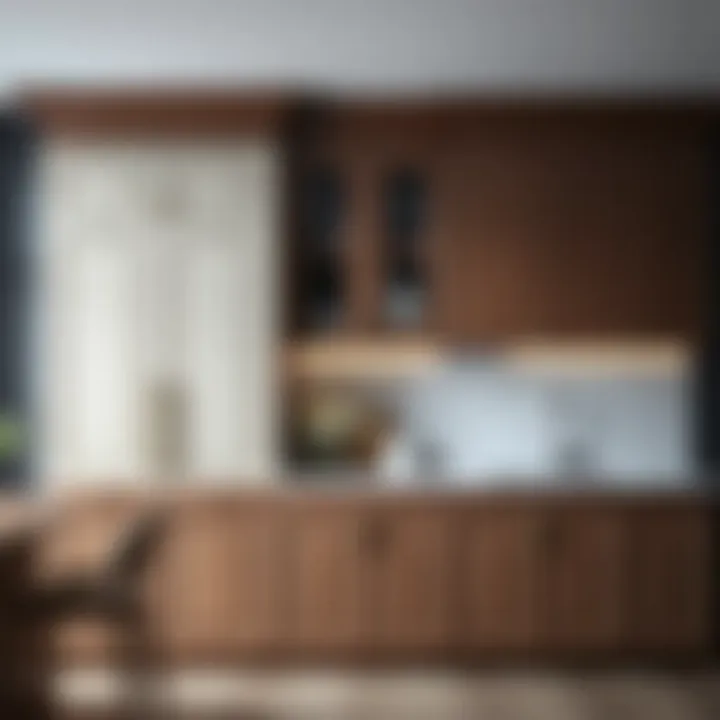
Styles of Cabinets: A Comprehensive Overview
In the realm of home design, cabinets serve as more than just storage spaces; they are pivotal in defining the aesthetic and functionality of a room. The significance of cabinet styles is manifold, blending personal taste, the architecture of the home, and the practical needs of the space. Understanding the various styles enables homeowners, designers, and DIY enthusiasts to make informed choices that enhance not only the visual appeal but also the usability of living spaces.
Cabinet styles can drastically alter a room’s atmosphere. For instance, a sleek, modern cabinet can lend a contemporary feel, while a traditional wooden cabinet may evoke warmth and nostalgia. Selecting the right style becomes a balancing act of personal preference and practical requirements. Engaging with this topic opens up a world of possibilities for customization and creativity, making it crucial for anyone looking to redesign their space.
Traditional Cabinet Styles
Traditional cabinet styles reflect timeless craftsmanship and often include intricate details that showcase the artistry of the maker. These cabinets are characterized by features such as raised panels, ornate moldings, and rich finishes, often crafted from solid woods like oak, cherry, or walnut. The warmth of wood combined with classic designs creates a sense of familiarity and comfort.
In kitchens, traditional cabinets can create heartwarming meals that feel rooted in history. They often have a regal quality, imparting a sense of enduring elegance. Factors to consider when opting for traditional cabinets include the existing architectural elements of the home, as these styles harmonize beautifully with more classic or rustic-themed interiors. However, one must also be mindful of maintenance and upkeep, as intricate details can require more diligence in cleaning than simpler designs.
Modern and Contemporary Designs
Modern and contemporary cabinet styles break away from the ornate details of traditional designs, embracing minimalism and functionality. Clean lines, flat-panel doors, and streamlined silhouettes are hallmarks of these styles. Materials often include engineered woods, metals, and high-gloss finishes, giving these cabinets a sleek, polished look.
A significant advantage of modern cabinets is their ability to enhance small spaces, creating an illusion of openness. With clever design elements, such as integrating LED lighting or push-to-open mechanisms, these cabinets bring convenience and sophistication to the forefront. However, it’s essential to ensure that the stark aesthetics don’t detract from the warmth of home life. Balancing modernity with personal touches can yield a space that feels both current and inviting.
Rustic and Farmhouse Aesthetics
Rustic and farmhouse cabinet styles celebrate simplicity and the beauty of natural materials. These designs often feature distressed finishes, barn doors, and open shelving that evokes a cozy, laid-back vibe. The use of reclaimed wood plays a significant role in achieving this look, marrying sustainability with charm.
In settings such as kitchens and living rooms, rustic cabinets can create a welcoming environment reminiscent of country living. The idea is to mix practicality with a casual feel, making everyday life seem less hectic. However, while rustic aesthetics promote a charming, lived-in appearance, it’s worth considering how these designs might fit in with more modern decor to prevent them from clashing.
Industrial and Minimalist Trends
Industrial cabinet styles draw inspiration from warehouses and factories, featuring raw materials like metal and distressed wood. This style embraces an unfinished look, relying on utilitarian values combined with aesthetic appeal. On the other hand, minimalist designs focus on a philosophy, stripping away excess to highlight essential features.
Both these styles share a symbiosis with open spaces and an urban ambiance, making them a fantastic choice for lofts and modern homes. Accessories in these settings should typically complement the rawness of the cabinets, such as brass hardware or concrete countertops. One should keep in mind, however, that the stark, utilitarian vibe of industrial styles may not resonate with everyone, especially those seeking warmth and comfort in their interiors.
"The right cabinet style is like a well-tailored suit; it fits seamlessly into the environment and elevates its presence."
By delineating the different styles of cabinets, this section paves the way for selecting options that harmonize functionality with personal aesthetics. Whether opting for traditional, modern, rustic, or industrial designs, understanding the subtleties of each style is integral in crafting a space that feels uniquely yours.
Materials Used in Cabinet Construction
When it comes to home design, cabinets serve not just a practical purpose but also contribute heavily to the overall aesthetic of a space. The materials chosen for cabinets play a crucial role in determining their durability, style, and functionality. Homeowners, designers, and DIYers alike must weigh their options, considering elements like maintenance, environmental impact, and cost. The right material can transform a standard cabinet into a standout feature of a room.
Wood: Timeless and Versatile
Wood has been a staple in cabinet construction for centuries. It offers a warmth and richness that other materials often fail to replicate. There’s an array of wood types to consider, from the classic appeal of oak and cherry to more exotic species like teak or mahogany. Each type lends its own unique characteristics and grain patterns. The beauty of wood is its adaptability. Whether you prefer a rustic farmhouse vibe or sleek modern lines, there’s a wood finish to match your decor.
Aside from aesthetics, wood is fairly durable, resistant to damage when properly maintained. Regular dusting and occasional polishing help preserve its luster. The challenge, however, lies in its susceptibility to moisture and heat, particularly in kitchen environments. Ensuring proper sealing can mitigate these issues.
Metals: The Strength Behind Modern Cabinets
Metals are solid contenders in the domain of cabinet materials, particularly in urban settings. Steel and aluminum bring a sense of sleekness and industrial design, complementing modern architecture beautifully. Besides their visual appeal, metals are known for their functional strength. They resist bending and warping, which can be a significant advantage in high-traffic areas.
Metal cabinets often require less maintenance compared to wood, making them suitable for busy households. However, they can be prone to scratching and denting, thus consideration should be given to surface protection. For a chic look, metals can also be coated or painted in various finishes, adding customization while enhancing durability.
Glass: A Window to Style
Integrating glass into cabinet design introduces both style and functionality. Glass doors visually open up spaces, making rooms appear larger while showcasing the contents of the cabinet. Frosted or tinted glass can offer partial privacy while still maintaining an airy feel. Typically used in conjunction with wood or metal frames, glass elements can infuse elegance into kitchens or living areas. However, this material demands careful attention to cleanliness—fingerprints and dust can be more obvious on glass surfaces.
Eco-Friendly Options for Sustainable Choices
As homeowners become increasingly aware of their environmental footprint, eco-friendly materials are gaining traction. Sustainable woods, such as bamboo, provide an excellent alternative to traditional hardwoods. Bamboo grows rapidly, making it a renewable resource. Another option includes cabinets constructed from recycled materials. These innovative designs blend style with sustainability, appealing to the conscientious homeowner.
Moreover, low-VOC finishes and paints are crucial in keeping indoor air quality pristine. It’s vital to not only choose materials that are sustainable but also to be mindful of how they are processed and finished.
Tip: When considering eco-friendly options, look for certifications such as FSC (Forest Stewardship Council) or SFI (Sustainable Forestry Initiative) that ensure responsible sourcing.
As individuals embark on their journey through cabinet construction and selection, understanding the material options can guide them toward making informed choices. Whether it’s choosing the flexibility of wood, the sturdiness of metals, the sophistication of glass, or the sustainability of eco-friendly materials, the decision will influence the design and functionality of their spaces for years to come.
Innovative Storage Solutions and Functionality
Cabinets are much more than just pretty facades in our homes. The role they play in organization and functionality is paramount. From kitchens overflowing with gadgets to living rooms packed with entertainment paraphernalia, innovative storage solutions in cabinet design help keep spaces tidy while enhancing overall aesthetics. This section digs deeper into how functionality and clever design can transform cluttered spaces into havens of order and elegance.
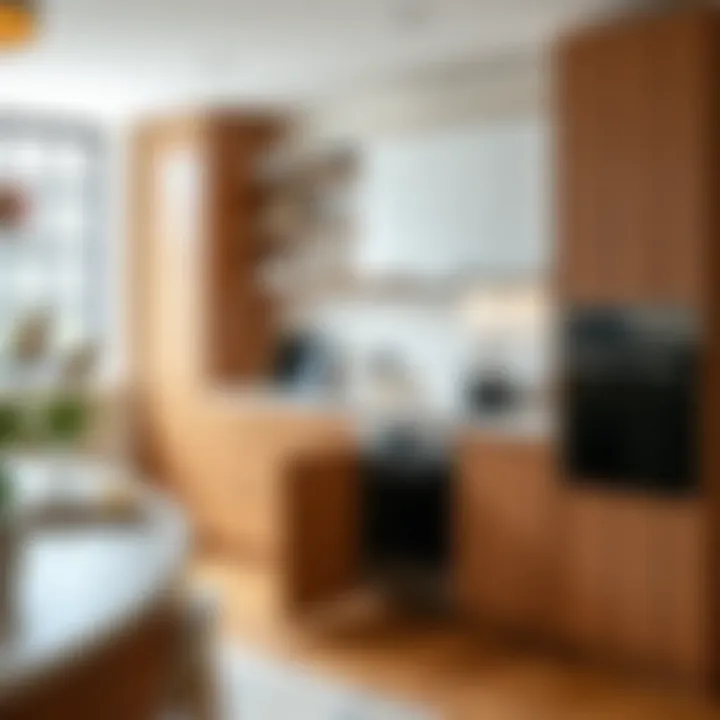
Maximizing Vertical Space
In today’s homes, floor space often comes at a premium. Homeowners are discovering that the key to maximizing a room's potential isn't just what you put on the floor, but how high you can reach. Think of tall cabinets stretching all the way to the ceiling. Not only do they create visual interest, but they also utilize previously wasted space.
Several consider adding shelves above existing cabinets to take advantage of height. Here are some quick value points to consider:
- Smart Use of Height: Use vertical dividers to create accessible sections for seldom-used items, such as seasonal décor or infrequently used kitchen appliances.
- Simple Design Tricks: Incorporating step stools or pull-down racks can make accessing high shelves feel less daunting.
- Visual Balance: Tall cabinets can visually elongate a room, giving an impression of spaciousness.
Cabinets that utilize vertical space not only serve functional purposes but can also become statement pieces, drawing the eye up and giving the illusion of a grander design.
Multi-Functional Cabinets
The modern homeowner is busier than ever. As such, cabinets that can pull double (or even triple) duty are becoming increasingly sought after. Multi-functional cabinets serve diverse needs, allowing for seamless transitions between various activities within a space. Consider the following:
- Workspace Innovations: Fold-down desk cabinets provide a valuable workspace that can be tucked away when not in use. They integrate into living areas without sticking out like a sore thumb.
- Convertible Storage: Imagine a cabinet that serves as both a storage unit for books and a mini-bar for entertaining guests—versatility on every level!
- Adaptive Layouts: Features like sliding doors or hidden compartments turn ordinary cabinets into dynamic players in home styling.
Incorporating multi-functional cabinets into your design plans not only addresses storage needs but also brings a fresh, adaptable feel to the space.
Hidden Storage: Clever Designs
Sometimes, the less you see, the better. Hidden storage solutions allow homeowners to maintain a clean and organized appearance without sacrificing functionality. Clever designs can hide away everyday essentials while adding to the overall aesthetic:
- False Paneling: Some cabinetry designs can be equipped with panels that disguise storage behind seemingly ordinary facades. For instance, a false wall might conceal a pantry or other storage area.
- Under-Stair Cabinets: Transforming tiny spaces under staircases into storage nooks can be a lifesaver. This unused area can become practical instead of just another space collecting dust.
- Retractable Shelves: Cabinets with pull-out features allow for easy access to items that might otherwise be tucked away and forgotten.
Hidden storage solutions offer sleek sophistication and can declutter spaces that sometimes seem too crowded with furnishings.
Selecting Cabinets for Different Spaces
Selecting cabinets is not just about choosing a color or style; it’s a pivotal step in shaping the atmosphere and functionality of any room. Whether you’re sprucing up a kitchen, living room, bathroom, or home office, the cabinets you choose serve a dual purpose — they need to fit seamlessly into their environment while also providing the specific storage solutions required for each space. This section emphasizes how various types of cabinets can enrich different areas of one’s home, catering to both aesthetic appeal and practical utility.
Kitchens: The Heart of the Home
Kitchens often stand as the nucleus of family activity. The choice of cabinets here can profoundly impact the overall ambiance and functionality. Think of it this way: a well-organized cabinet system can turn a chaotic cooking zone into a culinary haven. Opting for cabinets that feature thoughtful designs, like pull-out drawers or adjustable shelves, can enhance efficiency during meal prep. For example, open shelving can provide easy access while displaying beautiful dishware, bridging style and accessibility. It’s beneficial to also consider the material and finish – durable materials like plywood or MDF can withstand kitchen demands while ensuring they remain aesthetically pleasing.
Living Rooms: Combining Style and Function
Living rooms are often where guests are entertained, and family memories are made. Thus, cabinetry in this space must strike a balance between elegance and practicality. There’s an art to curating that perfect blend; built-in cabinets can seamlessly blend with the overall design scheme while providing ample storage for books and media. Additionally, cabinets with glass fronts can become a display case for collectibles, serving both the purpose of storing items and showcasing them. Moreover, the color palette should resonate with the existing décor. Soft neutrals or vibrant hues can transform the mood of a living room, making it inviting or modern.
Bathrooms: Small Spaces, Big Impact
In many homes, bathrooms are tight on space. However, cabinets here can make all the difference, proving that even the smallest areas can be chic and organized. Floating vanities or compact cabinets can create more floor space while still offering valuable storage options. Consider cabinetry that uses mirrored surfaces, as these elements can visually enlarge a confined space — a win-win. The materials in bathrooms should resist moisture, so choosing options like vinyl or specially treated wood can prolong their life. Every little detail can matter in a bathroom — from the knobs to the finish, the right cabinets can create a well-thought-out sanctuary for relaxation.
Home Offices: Tailored for Productivity
The rise of remote work makes a well-organized home office all the more essential. Cabinets in this setting should be designed with productivity in mind. Multi-functional cabinets that can discreetly house files, office supplies, and tech equipment can maintain a clean workspace. Incorporating modular cabinetry allows for customization, which can adapt as one’s work needs change. A focus on ergonomics is crucial here; cabinets should ensure everything is within arm's reach but without becoming cluttered. Specialty drawers for tools or organizers can be particularly useful, ensuring that inspiration can flourish within an efficient environment.
Cabinet Maintenance and Care
Cabinets play a critical role in home design, not only enhancing the aesthetic appeal but also providing crucial storage solutions. To ensure longevity and functionality, it’s vital to prioritize cabinet maintenance and care. Proper upkeep not only extends their lifespan but also maintains their visual integrity, promoting a healthy living environment. Given their prominence in various spaces—kitchens, bathrooms, and home offices alike—understanding maintenance practices can safeguard your investment while elevating your home’s design.
Regular Cleaning Practices
Regular cleaning is the cornerstone of effective cabinet maintenance. Dust, grease, and moisture can accumulate, not only dulling the finish but also potentially leading to more severe issues over time. A simple routine can make a world of difference.
- Use mild soap and water: A gentle mix works wonders on most surfaces. Avoid harsh chemicals as they can strip away protective finishes.
- Microfiber cloths are your best friend: They trap dust effectively without scratching the surface. Wiping down cabinets weekly can prevent buildup.
- Don’t forget the knobs and handles: These often-overlooked areas can harbor grime. A quick scrub every now and then can keep everything looking spick and span.
While routine cleaning is essential, it's important not to overdo it. Regular, gentle care helps cabinets maintain their charm without compromising their durability.
Refurbishing Cabinets: When and How
Over time, even the best cabinets may show signs of wear. Refurbishing them can breathe new life into these essential components of your home. The question is: when should you consider refurbishing?
- Peeling or chipped finish: If you notice a tired finish, it’s time to act. Refinishing can restore their original beauty and provide an updated look.
- Functional issues: Doors that no longer close properly or drawers that stick might indicate that a refurbishment is necessary.
- Style change: If you’ve updated your home’s decor, refurbishing your cabinets to match new colors or themes is a great way to keep the space harmonious.
How to refurbish:
- Clean thoroughly to remove any residue.
- Sand the surface lightly to allow new paint or stain to adhere.
- Apply paint or varnish as necessary, following the manufacturer’s instructions.
- Consider new hardware for an updated look.
Being diligent about refurbishing can keep cabinets functional while adapting them to evolving tastes.
Preventing Damage: Best Practices
Even with regular maintenance, cabinets are susceptible to damage if not cared for properly. Here are some preventative measures to keep in mind:
- Avoid excessive moisture: Steer clear of placing wet items directly on cabinets, especially those in kitchens and bathrooms. Using coasters and mats can help protect surfaces.
- Control humidity levels: Especially in areas like kitchens and bathrooms, maintaining an even humidity level can prevent warping and mildew buildup.
- Be mindful of heavy items: Properly distribute weight within cabinets to avoid sagging or breaking hinges. Consider reinforcing shelves if necessary.
- Use liners: Shelf liners can provide an added layer of protection against scratches and spills, especially in frequently used spaces.
Regular preventative measures are not merely a suggestion; they are essential for prolonging your cabinets’ life.
Trends in Home Design Cabinets
The landscape of home design cabinets is continuously evolving, reflecting broader trends in interior design and lifestyle preferences. Embracing these trends is essential not only for aesthetic appeal but also for enhancing functionality in living spaces. Understanding current cabinet trends allows homeowners, renters, and designers to make informed decisions that align with both modern sensibilities and practical needs. Each trend brings a unique essence, catering to diverse tastes and elevating day-to-day living.
Color Trends: From Neutral to Bold
In the realm of cabinetry, color plays a pivotal role. Over recent years, neutral shades like whites, grays, and beiges have dominated kitchens and living spaces. These colors lend a timeless elegance, creating a backdrop that complements various decor styles. However, a shift is happening. Bold colors like deep blues, rich greens, and vibrant reds are making waves, inviting personality and flair.
- Subtle Accents: One approach is using bold colors as accents—think of a navy blue island in a primarily white kitchen.
- Full-Scale Changes: Alternatively, bold cabinetry can become a statement in itself, transforming the ambiance of a room dramatically.
"Colors not only beautify spaces, they also change how we feel about a home."
Incorporating different hues can help homeowners express individuality while aligning with the overall design narrative of their spaces.
Mixing Materials for Unique Styles
The practice of mixing materials is gaining ground, offering innovative ways to curate personal spaces. Gone are the days when uniformity was the gold standard. Contemporary design encourages a blend of textures and finishes.
- Wood and Metal: Pairing the warmth of wood with the sleekness of metal can add depth.
- Glass and Laminates: Glass cabinets with laminate backs create an intriguing visual contrast and allow for light to play in new ways.
This mixing of materials brings a personalized touch while also boosting the functional aspects of cabinets. Different materials can serve varied purposes—from enduring durability to visually arresting finishes. Each combination tells a story, reflecting personal style and lifestyle needs.
Smart Technology in Cabinet Design
As homes become increasingly interconnected, the integration of smart technology into cabinet design is an emerging trend. Smart cabinets are not just a fad; they represent the future of efficient home living.
- Tech Innovations: Innovative designs now include built-in lighting that adjusts based on the time of day or occupancy sensors that light up when you approach.
- Connected Appliances: Imagine cabinetry with smart features that keep track of inventory or suggest recipes based on available ingredients.
This technology doesn’t just add convenience; it can also enhance energy efficiency. Hence, integrating smart tech into cabinet designs not only modernizes a home but also makes it more user-friendly and sustainable.
The Future of Cabinet Design
The cabinet landscape is undergoing a significant transformation, driven by evolving homeowner preferences, advances in materials, and a growing awareness of sustainability. As people prioritize not just the aesthetic appeal but also the functionality and environmental impact of their living spaces, understanding the future of cabinet design becomes essential for homeowners, designers, and DIY enthusiasts alike. This section explores critical elements shaping the future of cabinets, the benefits of these innovations, and the accompanying considerations.
Sustainability in Materials and Production
In recent years, sustainability has moved from the edges of design conversations to the forefront. Homeowners are now considering not just how beautiful their cabinets are but also how these products impact the planet.
Cabinet manufacturers are responding by sourcing materials from sustainable forests, using low-VOC (volatile organic compounds) finishes, and embracing recycled materials. For instance, bamboo is emerging as a top material choice; it grows quickly and can be harvested without significant environmental disruption.
"Using sustainable materials is not just about being eco-friendly; it's about understanding the long-term impact on our planet and future generations."
Adopting sustainable practices in cabinet production does not mean compromising on quality or style. On the contrary, these materials can provide unique aesthetics and durability. Notably, custom fabricators are experimenting with textures and finishes that highlight the beauty of reclaimed wood or the sleekness of recycled metal. As more consumers show interest in sustainability, this trend is expected to grow, influencing both mass-market and bespoke cabinet design.
Customization and Personalization Trends
Cabinet design is gradually moving towards personalization, allowing homeowners to make choices that reflect their styles and needs. Gone are the days when one-size-fits-all solutions ruled the market; now, it’s about creating spaces that feel unique and tailored.
Customization can manifest in various forms, from the choice of materials and colors to the addition of smart technology and specific features like pull-out shelves or hidden compartments. This flexibility not only enhances the functionality of cabinets but also allows individuals to express their personalities through their living spaces.
Homeowners are now keen to collaborate with designers to create bespoke solutions that cater to their specific requirements. For example, integrated lighting systems that adjust based on natural light levels can now be part of a cabinet design, bringing an additional layer of modern convenience. The personalization trend is also extended by the use of modular designs, which offer versatility and adaptability.
Integrating Wellness into Cabinet Design
As the concept of wellness homes gains traction, the intersection of cabinet design and personal health has garnered attention. Homeowners are increasingly seeking spaces that promote well-being and mindfulness. This desire has led to the emergence of cabinets designed with wellness in mind, focusing on both functionality and serenity.
The integration of natural elements, such as using wood finishes that bring warmth to a space, can enhance emotional comfort. Furthermore, cabinets that incorporate biophilic design elements, such as incorporating greenery or using materials that connect users more closely to nature, are becoming popular.
In addition, considering user experience in the design of cabinets can help reduce stress. Thoughtfully designed storage solutions that keep items neatly organized not only free up physical space but can promote mental clarity as well.
In summation, the future of cabinet design points towards a harmonious blend of sustainability, customization, and wellness. As these trends develop, it is essential for those involved in home design to embrace them, fostering spaces that are not only functional but also serve as sanctuaries that enrich life.
For more information, consider visiting related resources like Wikipedia or attending workshops on sustainable design. Websites like Houzz and Pinterest also provide inspiring ideas and practical insights on modern cabinet solutions.