The Ultimate Guide to Large Indoor Plant Pots
Intro
Large indoor house plant pots play a significant role in contemporary living spaces. Not only do they serve a functional purpose in housing vibrant greenery, but they also contribute substantially to aesthetic appeal and interior design. As more homeowners and renters embrace the idea of nurturing indoor gardens, understanding the nuances of selecting the right pots becomes vital.
In this guide, we will dive into various aspects of large indoor plant pots, from furniture trends that highlight current market preferences to practical considerations for maintaining plant health. The idea is to harmonize beauty and functionality, transforming homes into sanctuaries that reflect personal taste while catering to the needs of thriving plants.
We'll discuss several key topics to enhance your understanding and choices:
- Furniture Trends: Insight into current trends in indoor plant pots and their popular designs.
- DIY Projects: Creative yet budget-friendly ideas that allow you to craft unique plant pots or enhance existing ones.
Engaging with this content provides not just knowledge but also the means to make informed decisions that align with your interior aesthetics while fostering an environment conducive to plant life.
Significance of Large Indoor Plant Pots
Large indoor plant pots are not just mere vessels for holding deposits of soil and plants; they play a pivotal role in enhancing interior spaces. Their significance stretches beyond physical functionality, serving various aesthetic, health, and emotional needs within a home.
Enhancing Aesthetic Appeal
The immediate visual impact of large plant pots can transform an otherwise mundane room into a lively sanctuary. Imagine stepping into a living area where towering monstera leaves drape over a sleek, glossy pot, captivating the eye. This aesthetic quality isn’t merely a happenstance; it is rooted in principles of design and harmony.
Color and shape coordination between the pot and the overall interior scheme can create a cohesive look. For instance, a bold, terracotta pot can stand out against a pastel wall, while a minimalist ceramic vessel can complement a modern setting.
Moreover, larger pots can allow for bigger, more mature plants that create dramatic focal points. Here’s a thought: instead of a measly little succulent on the coffee table, how about a striking fiddle leaf fig? Its grandeur could be the envy of every home decor enthusiast. Larger pots also offer more versatility in placement, allowing for a more dynamic and engaging use of space. It’s about crafting an environment that speaks to you and your style.
Promoting Healthy Plant Growth
Size does matter when it comes to planting. Large indoor pots provide ample space for roots to spread out, enabling a more robust growth. With the added soil volume, moisture retention goes up, helping in sustaining your plants, especially during dry spells.
When roots are cramped, plants can suffer. It’s akin to a person trying to live in a small, crowded apartment; eventually, some will feel stifled and won't thrive. Growing in spacious pots mitigates this pressure and facilitates better nutrient uptake. This ensures that your plants can absorb what they need to flourish. Additionally, large pots are more forgiving when it comes to watering; they can hold more water than smaller pots, reducing the frequency of watering. This is particularly handy for plant enthusiasts who might have a busy lifestyle.
Creating a Relaxing Atmosphere
Plants have a unique way of affecting our mood and a well-placed large pot can enhance this feeling tenfold. They act as natural air purifiers, which can contribute to a calmer indoor environment—and what’s more serene than that? Think of your living room encircled by lush greenery, inviting you to sit back and breathe freely.
Incorporating large pots in your personal space can have psychological benefits, promoting stress relief and boosting overall mental health. The presence of greenery often evokes feelings of tranquility, which can be beneficial during trying times. Also, larger pots tend to house larger plants, providing a more significant visual connection to nature and more effective sound absorption.
"Incorporating greenery into indoor spaces not only beautifies the environment but also nurtures our state of mind."
In sum, large indoor plant pots serve various vital roles—they are not just functional containers, but significant decor elements that enhance aesthetics, promote plant well-being, and contribute to a calming home atmosphere. It’s essential to recognize these aspects when considering your indoor gardening choices, as they are outcomes worth cultivating.
Selecting the Right Large Pots
Choosing the right large indoor plant pots is essential for the health and vitality of your plants. Not only does the pot provide a physical home for the plant, but it also drastically affects the overall culture within which the plant lives. Specifically, large pots can offer your green friends the stability and nutrients they need to thrive. From a practical perspective, getting the right pot ensures sufficient space for growth, which ultimately leads to a lusher, more inviting indoor environment.
Size Considerations
When it comes to selecting large pots, size is queen. A pot that’s too small can stunt plant development, making the roots crowded and restricting their growth. On the other hand, a pot that's too big can lead to overwatering issues, as the plant may not be able to absorb moisture efficiently. As a rule of thumb, consider the size of the root system of the plant you intend to pot. For example, a small shrub might benefit from a pot that's approximately 1.5 to 2 times the current size of its root ball. However, a large palm may need something significantly more substantial.
A helpful way to visualize this is to think about how a bigger pot can symbolize your plant’s potential for growth. Think of it like moving from a cramped apartment to a spacious house; the more room, the better the opportunities.
Depth and Drainage Needs
Depth is not just a matter of size but a crucial aspect of providing your plants the right conditions. Different plants have varying root depth requirements—some may need a shallow pot, while others demand deeper homes. For notorious root-stretchers, such as fiddle leaf figs, you’ll want a deeper pot to accommodate their long roots. On the contrary, succulents tend to do better in slightly shallower containers.
Drainage is another vital component. It is essential to ensure that excess water can escape, preventing root rot and other moisture-related issues. Look for pots with multiple drainage holes or consider adding a layer of gravel at the bottom to enhance drainage. Remember, standing water is the enemy of any houseplant.
"Potted plants need ample drainage to thrive; think of it as providing the freedom to breathe and grow."
Matching Pot Size to Plant Type
Not all plants are created equal, and understanding the unique requirements of each species can make or break your indoor garden. For instance, a towering monstera may prefer a pot that allows ample soil depth and breathing room for its expansive root system. Conversely, herb plants like basil or mint thrive in wide but shallow pots so their roots can spread out but not deep dive.
When selecting pots, also factor in the lifestyle of your plant. If you have a habit of neglecting plants occasionally, a larger pot with a proper moisture balance will cater better to your forgetful watering habits. In essence, aligning pot choice with plant characteristics fosters a sustainable and thriving indoor ecosystem.
In summary, selecting the right large pots is an engaging process that combines science and art. Adequate size, proper depth, drainage, and alignment with plant type are all essential puzzles in crafting your indoor garden successfully. These factors not only aid in maintaining plant health but also enhance the aesthetic charm of your home.
Materials for Large Indoor Pots
Selecting the right material for large indoor pots is not just about aesthetics; it impacts plant health, longevity of the pots, and overall functionality in your living space. Each material comes with its own set of benefits and considerations that can influence not only how your plants grow but also how they integrate into your home’s decor. Therefore, understanding these materials is essential for anyone looking to elevate their indoor gardening experience.
Ceramic Pots
Ceramic pots are a popular choice for their beauty and versatility. They often come glazed or unglazed, which adds a variety of texture and color options to match any interior design. One of the significant advantages of ceramic is its breathability, especially in unglazed versions. The porous nature allows air exchange, helping to prevent root rot by ensuring adequate drainage.
However, they can be on the heavier side, which may pose challenges when moving them for rearrangement or cleaning. Additionally, ceramic tends to retain moisture longer than some materials, so it’s crucial to monitor your plants’ water needs appropriately. Finding the right balance between aesthetics and practical care will pay off in healthier plants and a more visually pleasing space.
Plastic and Resin Options
Plastic and resin pots have surged in popularity, especially among urban gardeners. These materials offer lightweight and durable options that perfectly suit modern lifestyles. One of the standout benefits of plastic pots is their resistance to breaking; they can withstand a few bumps and tumbles without shattering into a million pieces.
Moreover, they come in an array of colors and designs, making it easy to coordinate with your interior style. However, keep in mind that they do retain heat, so it’s wise to monitor soil moisture regularly, as it can lead to quicker drying out of the soil. If you’re considering plastic options, look for brands that utilize recycled materials to enhance sustainability efforts in your gardening routine.
Metal Pots
Using metal pots, such as those made of stainless steel or galvanized steel, can introduce an industrial aesthetic to your indoor space. These pots are robust and often resistant to rust when treated correctly. Besides, many metal pots have a modern charm that complements contemporary decor.
Despite their strength, metal pots can get hot in direct sunlight, which can potentially harm plant roots if not managed properly. Moreover, they often require additional drainage holes as their natural water retention is lower. It’s important to balance style with function, ensuring your plant’s health remains the top priority while enjoying the sleek appearance that metal pots provide.
Wooden Planters
Wooden planters radiate warmth and natural beauty, making them a favored choice among those looking to bring a touch of the outdoors inside. There’s something quite rustic about wooden pots; they harmonize beautifully with indoor plants and create an inviting atmosphere.
However, not all wood is equal. It’s critical to choose rot-resistant types, like cedar or redwood, which can withstand humidity without warping or falling apart. Additionally, proper lining and drainage should be a consideration to avoid soil leaking and water pooling. With wooden pots, you create a lush sanctuary that not only shows off your plants but also adds character and a homely touch to your living space.
When selecting your pots, remember that the right material can greatly shape the health of your plants and the aesthetics of your home.
In summary, each material for large indoor pots offers distinct advantages and challenges. By knowing the characteristics of ceramic, plastic, metal, and wood, you’ll be equipped to make informed choices, ensuring both your plants and your home shine. To learn more about materials and crafting methods, references from the American Society of Landscape Architects, Horticulture Therapy Resources and the Gardener’s Supply Company can provide deeper insights.
Aesthetic Considerations for Pot Design
When it comes to large indoor plant pots, aesthetic considerations play a pivotal role in creating a harmonious environment in any space. It's not just about housing plants; the right pot enhances the overall decor, draws attention to your plants, and can even serve as a conversation starter. Overlook this factor, and you might find your beautiful greenery falling short of its potential.
Color Coordination
Color is not just a visual experience; it is a mood enhancer. When selecting large pots, one must consider how the pot's hue interacts with the surrounding color palette. A neutral-colored pot can create a sense of calm, making it an excellent choice for bedrooms or tranquil spaces. On the flip side, vibrant colors can inject energy into an otherwise dull room.
- Complementary Colors: Using colors opposite one another on the color wheel, like a deep red pot against green foliage, can create a striking visual contrast.
- Monochromatic Schemes: Sticking to shades of a single color can create a sleek and modern look, lending a subtle sophistication to your plant arrangement.
An example would be pairing a matte black pot with bright green ferns, which draws the eye while maintaining an understated elegance.
Patterns and Textures
Patterns and textures add layers of interest to your indoor garden. A smooth, glossy pot can exude modernity, while a matte, rough texture might suggest rustic charm. Patterns can range from simplistic stripes to intricate floral designs, every choice you make can say something about your style.
- Contrasting Textures: For example, a smooth ceramic pot paired with a textured burlap tablecloth could create a fascinating dynamic in the room.
- Patterns: Choose pots with geometric shapes for modern spaces, or floral designs for more antique decor themes. This attention to detail can bring life and character to your plants.
Taking a risk with patterns can also be beneficial, as mixing various designs can lead to a vibrant indoor ecosystem.
Harmonizing with Interior Style
Each home has its own personality, and the large pots you select should echo that personality. From minimalist to bohemian, pots should not just exist with your decor; they should enhance it. Consider the overall style of your interiors.
- Minimalist Spaces: Go for simple, clean lines without ornate embellishments. A single, large white ceramic pot may be all you need to accompany a fiddle leaf fig in your living space.
- Eclectic Styles: In a mix of furnishings and decor, you have the freedom to play with various shapes and colors. Imagine a quirky pot that resembles an animal or a vintage pot with visible wear.
The goal is a seamless blend. A well-chosen pot can elevate your indoor landscape, making it not just a home for plants but part of your living art.
"It's not simply about the plants; large pots are the canvas where nature meets creativity."
Remember, the aesthetics of your pots are as important as the plants they hold. Keep that in mind during selection—after all, a beautiful pot might just inspire you to keep gardening.
Placement Strategies for Large Plant Pots
Choosing where to put large indoor plant pots is just as important as selecting the right pot itself. Proper placement not only enhances the overall look of your space but also caters to the wellbeing of the plants. The strategic arrangement can transform ambient space while ensuring plants receive adequate light, air circulation, and attention for better growth. Plus, how you position your pots underscores the intent behind each beautified corner, whether it's for relaxation, work, or simply to showcase a personal touch in your decor.
Corner Fillers for Spatial Efficiency
Utilizing corners in a home can be a clever way to maximize both space and aesthetic appeal. Large plant pots can be snugly tucked into these often-overlooked nooks, transforming them from bland and empty spots into vibrant showcases for your greenery. Corners provide a sense of definition and structure to a room, guiding the eye and helping to create a backdrop for other decor elements.
- Visually Enlarging Space: By filling corners with a pot, it draws the eye upward, making the room feel taller than it is. Bonus: It softens hard lines that may otherwise make a space feel stilted.
- Balancing Proportions: If you have a particularly expansive area, corner pots can break up the visual heaviness and create a more inviting balance between the floor space and walls.
- Using Different Heights: Experiment with plant types at different heights in the corner. A taller plant in one corner and perhaps a smaller pot on the side can create dynamic visual interest.
Creating Focal Points
Focal points can invigorate a room, and large potted plants serve as eye-catching centerpieces that naturally draw attention. Thoughtfully placed plant pots can stand out or complement a space, depending on the aesthetic you want to achieve.
"A well-placed large pot can become a conversation starter, changing the dynamics of how a space is perceived."
- Entryways: A large pot by the entrance adds a warm welcome, as if inviting guests to step further into your space.
- Living Rooms: A striking plant can serve as the focal point, especially if other decor is subtle. Grouping around it with smaller elements can enhance the effect.
- Open Spaces: In larger rooms, a single, oversized pot can anchor an area, carving out a small section of the room for relaxation or gathering.
Grouping for Visual Interest
Grouping large plant pots can create a more immersive experience, offering texture and color contrasts that heighten the visual appeal. Rather than isolating each plant, consider arranging them in sets. This method not only packs a punch aesthetically but also allows for more effective plant care and maintenance.
- Height Variation: Play with the heights by mixing tall and shorter plants for a layered look. This creates depth and prevents a flat visual impression.
- Complementary Colors: Group pots that contrast or complement each other. For example, a deep green plant could be paired with a pot that has earthy tones, balancing natural elements and colors.
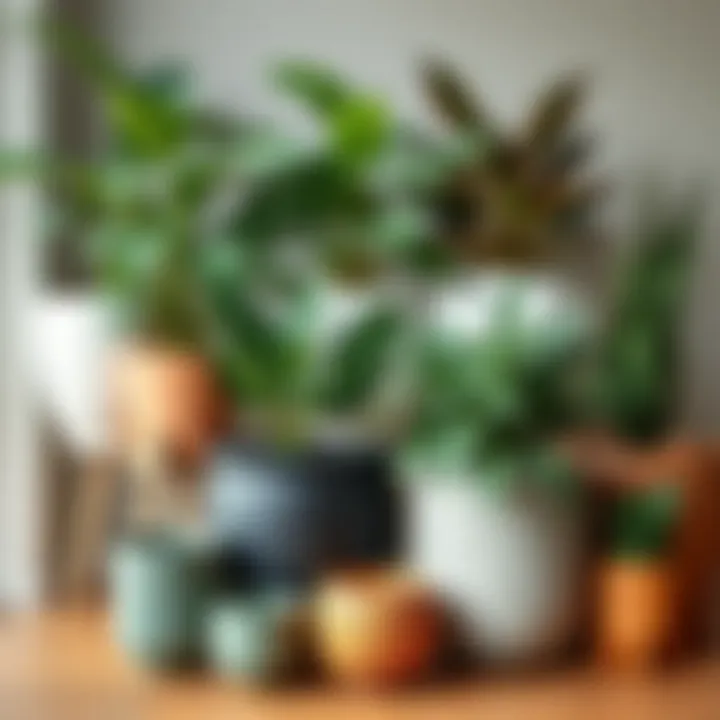
- Dynamic Shapes: Don't be afraid to mix pot shapes. A round, ceramic pot beside a tall, angular metal one makes for a delightful juxtaposition that adds character.
In sum, being strategic with pot placement is essential not only for aesthetics but for fostering plant health and growth. Large pots deserve thoughtful consideration in their arrangement. By using corners wisely, creating focal points, or grouping pots, you can harness the full potential of your indoor garden.
Maintenance of Large Indoor Plant Pots
Taking care of large indoor plant pots is more essential than a simple afterthought; it is the heart of nurturing plants in a confined environment. The maintenance routine impacts not just the aesthetic value but also the health of the plants housed within these pots. Neglecting this aspect could lead to a sad spectacle of drooping leaves or worse – a dead plant that once brought life to your space. Thus, understanding and implementing effective maintenance practices can turn your indoor garden into a thriving oasis.
Watering Techniques
Watering might seem straightforward, but it involves layers of nuance that can trump the mere act of pouring liquid into a pot. Too little water and those roots will feel parched, leading to stunted growth. On the flip side, an excess can drown them, leading to root rot – definitely not a welcome guest.
To hit the sweet spot, it's crucial to check the topsoil. If the soil is dry an inch down, it’s time to hydrate. Some folks swear by the finger test—just poke your finger in the soil to gauge moisture. You can also employ a moisture meter if you're feeling a bit tech-savvy.
Another tip? Consider the use of self-watering pots; these are a game changer for the forgetful gardener. They provide constant moisture yet minimize the risk of overwatering. Remember, large pots can hold more water, but they also require careful observation to balance watering schedules appropriately.
Soil Quality and Composition
The soil is more than just a medium; it’s a living environment for the roots. Good soil quality can positively influence everything from drainage to nutrient content. Choosing the right potting mix comes down to understanding your plant types. For instance, succulents prefer a gritty mix, while tropical plants thrive in richer compositions.
Here’s a quick breakdown of soil components:
- Organic matter: Responsible for holding moisture and nutrients, it’s fundamental in any potting mix.
- Perlite or vermiculite: These lightweight materials improve aeration and drainage.
- Coconut coir: An eco-friendly alternative to peat that retains moisture without becoming soggy.
Over time, the quality of the soil diminishes as nutrients get depleted. Consider top-dressing your pots yearly with fresh soil or repotting entirely to refresh that essential mix. Think of it as giving your plants a mini-vacation in a brand-new hotel!
Repotting Practices
When it comes to repotting, timing is everything. As your plants grow, their roots will eventually outgrow their current quarters, leading to restricted growth. An annual check-up on root health can help. Gently pull the plant out to see if the roots are circling the pot—if they are, it's time to repot.
Here are some steps for effective repotting:
- Choose the right size: Move to a pot that’s one size larger to prevent overwhelm; too much space can confuse the roots.
- Check drainage holes: Ensure the new pot has sufficient drainage to avoid waterlogging.
- Handle with care: Take care not to damage the roots while transferring. If they look tangled, unwind them gently.
- New soil: When repotting, use fresh soil to provide new nutrients and reduce the risk of pests.
- Water thoroughly: After repotting, give them a good drink to help settle the soil around the roots.
By keeping up with the maintenance of large indoor plant pots through proper watering, ensuring quality soil, and regularly repotting, you’ll create an environment where both plants and enjoyment can flourish. Your plants might not say it, but they will thank you in their own leafy way.
Sustainable Practices in Pot Production
In today’s world, where environmental consciousness has taken center stage, the significance of sustainable practices in pot production cannot be overstated. Choosing large indoor house plant pots made through eco-friendly methods not only contributes to the health of the planet but can also enhance the overall atmosphere of your living spaces. The reality is that the production of pots can have far-reaching effects on nature, from carbon footprints to waste generation. Therefore, understanding sustainable practices helps homeowners, designers, and enthusiasts make informed choices that align with their values.
Eco-Friendly Materials
When it comes to selecting large pots, the materials used in their manufacture hold a pivotal role. The right choices can steer you toward a more sustainable lifestyle and significantly lessen environmental impact.
- Biodegradable Options: Pots made from materials such as bamboo, coconut coir, or recycled paper are designed to break down naturally. These materials not only reduce plastic waste but also enrich the soil as they decompose, providing a nourishing environment for plant roots.
- Natural Resins: Some manufacturers utilize natural resins, which are derived from plant-based sources. These pots are sturdy and offer better drainage while being less harmful to the environment compared to traditional plastic alternatives.
- Recycled Materials: Think outside the box! Many innovative pot designs are emerging from recycled plastics or metals, allowing for both durability and style. Choosing pots made from recycled materials means you’re helping to reduce waste while also giving unwanted materials a new life.
These eco-friendly materials not only cultivate a greener environment but also appeal to aesthetics without compromising functionality.
Recycling and Upcycling
Recycling and upcycling are two sides of the same coin, promoting a circular economy in pot production. Understanding how to incorporate these practices can also empower you as a consumer and a green advocate.
- Recycling Used Pots: Instead of tossing old plant pots into the trash, consider how they can be recycled. Many local recycling programs accept plastics and ceramics, depending on their type. Researching local guidelines would not only help you responsibly dispose of pots but could also guide you in finding new pots crafted from recycled materials.
- Upcycling Inspiration: Upcycling involves transforming old materials into something useful. This could mean painting or decorating pots that might otherwise be discarded. One could also convert a discarded kitchen item, like a tin can or glass jar, into a charming plant holder. The possibilities are endless! This practice not only minimizes waste but encourages creativity in home design.
Utilizing these practices not only contributes positively to the environment but also fosters a sense of community as more individuals engage in sustainable habits.
As we look ahead, it's clear that prioritizing sustainable practices in pot production is essential for creating a healthier environment and cultivating vibrant living spaces.
Integrating Technology with Plant Care
In the modern world, where technology seamlessly integrates into our daily lives, it comes as no surprise that the realm of indoor gardening has also seen its fair share of advancements. This section delves into how technology enhances the care and maintenance of large indoor plant pots, elevating both plant health and the experience of the gardener. By embracing these innovations, homeowners, renters, and designers alike can cultivate thriving indoor environments with minimal hassle.
Smart Watering Solutions
Gone are the days of second-guessing when to water your plants. Smart watering solutions have taken the guesswork right out of plant care. These systems can range from simple moisture sensors placed in the soil to advanced irrigation systems that automate the entire process.
Some key benefits of smart watering solutions include:
- Consistency: Plants thrive on regular watering schedules. Smart systems help ensure that plants receive the right amount of water consistently, avoiding the risk of drought or over-watering.
- Customization: Many systems allow users to program watering schedules based on the unique needs of different plant types, creating a tailored experience for each green friend.
- Real-time notifications: With certain smart devices, gardeners can receive notifications via smartphone apps when it’s time to water, or when moisture levels drop too low. This real-time communication takes the pressure off individuals who may not always be present to keep an eye on their plants.
Setting up such a system is often straightforward, making it accessible even for DIY enthusiasts. For instance, devices like the Parrot Flower Power or the Blumat Automatic Watering Stakes integrate easily into a home ecosystem, enhancing plant care without muddying the waters of horticultural passion.
App-Controlled Lighting
Just as essential as watering is the light that plants receive. With app-controlled lighting, you can create a perfect environment that mimics natural daylight, catering to the unique needs of various plants. This technological marvel goes beyond merely switching lights on and off. Here’s how it impacts indoor gardening:
- Energy efficiency: App-controlled lights, particularly LED grow lights, optimize energy usage, ensuring that gardeners don’t end up with sky-high electricity bills while ensuring their plants flourish.
- Adjustable settings: Specific plant types may require different light intensities or durations. With app-controlled lights, you can adjust these settings based on the plant's developmental stage, whether it’s a budding sprout or a mature specimen.
- Remote access: You can manage your plant's light exposure from afar. Whether on vacation or at work, simply adjust the light settings from an app on your phone, guaranteeing your plants don’t live in the dark.
Indeed, integrating technology into plant care offers dynamic solutions tailored to both followers of horticultural trends and the everyday home gardener. The intersection of convenience and efficiency transforms standard plant ownership into an engaging, manageable endeavor.
"The integration of technology in gardening not only fosters plant growth but also cultivates a deeper connection between the gardener and their greenery."
By embracing innovations like smart watering solutions and app-controlled lighting, individuals can take their indoor gardening game to new heights. Modern advancements not only make tending to plants easier but also significantly enhance the beauty and health of indoor spaces.
Cultural Significance of Indoor Plants
Indoor plants have been more than just a trendy addition to home decor; they carry immense cultural significance across the globe. They offer a window into the values, beliefs, and aesthetics of different societies. This section will delve into how these plants serve as symbols, their value in different traditions, and the historical context that has made houseplants an important feature in many cultures.
Symbolism in Different Cultures
Plants often embody profound meanings. For example, in some Asian cultures, the bamboo plant symbolizes strength and flexibility, while the resilience of the bamboo shoot is admired in martial traditions and philosophies. In Western culture, the classic peace lily is often associated with purity and renewal, frequently gifted during difficult times to represent hope for healing.
- Lotus Flower (Asia): A symbol of purity and spiritual awakening, revered in Buddhism.
- Cacti (Southwestern US): Represent endurance and the ability to thrive in harsh conditions, reflecting the spirit of resilience in local indigenous cultures.
These associations between plant types and cultural meaning allow people to express their identities through the plants they choose for their spaces. It's not uncommon to see potted plants being integrated into religious rituals, with some households placing certain plants in specific areas to attract good fortune or ward off negativity.
Historical Context of Houseplants
The history of houseplant cultivation traces back to ancient civilizations that understood the importance of plants in daily life. For example, the ancient Romans were known for their gardens that prominently featured plants that were both beautiful and utilitarian, serving medicinal purposes.
By the time the Renaissance rolled around, love for indoor plants blossomed further with the introduction of exotic plants from the New World. Wealthy families began to collect rare specimens, and this led to the concept of a "salon", where social gatherings occurred amidst these living artworks.
"In many ways, houseplants have become living symbols of status, art, and insight into the personal ethos of the owner."
Fast forward to today, and the presence of indoor plants has expanded beyond mere aesthetic pleasure to encompass mental health benefits, contributing to the ambiance and overall well-being of living spaces. This evolving story reflects how indoor plants have rooted themselves into the conscience of various cultures, remaining relevant across time.
The Role of Large Pots in Indoor Gardening
Large pots play a crucial role in indoor gardening, serving as the stage for plants to thrive while enhancing the aesthetic allure of living spaces. Their significance extends beyond mere functionality; these pots symbolize a commitment to cultivating a closer connection with nature. When you ponder over a large pot, you might think it’s just a container, but it’s much more than that—it’s an ecosystem that nurtures various plant types, facilitating their development and growth.
Facilitating Diverse Plant Types
When embarking on a journey of indoor gardening, selecting a large pot is like laying down the red carpet for plants of all kinds. With ample space, you can host a wider variety of plant species, each requiring different care and conditions. Large pots provide the necessary room for roots to spread out, which is critical for the health of your plants.
For instance, a tall peace lily nestled in a spacious ceramic pot has room to grow vertically, flourishing with beautiful blooms. On the other hand, a wide planter can cater to trailing vines like pothos or philodendrons, giving them the room they need to cascade down beautifully. This diversity not only contributes to a rich indoor garden landscape but also allows for creative arrangements, enhancing the overall look of your interiors.
Here’s what to consider when selecting large pots for diverse plants:
- Root Space: Ensure the pot is deep enough for plants with extensive root systems.
- Water Retention: Larger pots can hold more soil, which retains moisture better and reduces the frequency of watering.
- Weight Distribution: Heavy plants require more stable pots to prevent tipping.
- Soil Mix Adaptations: Different plants have varied soil needs, so large pots allow for soil customization tailored to specific species.
Want to create a living piece of art? Using large pots in unexpected combinations can turn a corner of your home into a stunning realm of greenery.
Contributing to Indoor Biodiversity
Biodiversity isn’t just a term reserved for expansive ecosystems; it’s something that can be cultivated right within your living room. Large pots facilitate this indoors by allowing plant enthusiasts to experiment with various species while also creating an appealing visual impact.
In a single pot, one could cultivate multiple plants that complement each other. For example, placing a fern alongside succulents in a broad planter can create a microhabitat that enhances moisture retention, benefiting both plant types. Here are a few benefits of promoting biodiversity through large pots:
- Pest Control: A diverse range of plants can deter pests; some species attract beneficial insects that help manage others.
- Nutrient Cycling: Different plants utilize different nutrients, which can help to maintain soil health and balance.
- Improved Air Quality: Having a variety of plants contributes to higher oxygen levels and purifies the air, creating a healthier environment.
By thoughtfully integrating different plants into large pots, you’re not just gardening; you’re establishing a small, thriving ecosystem that adds life to your home. This conscious effort brings nature closer to everyday life and can lead to a deeper appreciation of the natural world.
"Gardening is not just a hobby; it’s a way to bring the great outdoors into your own space, infusing life and color into your routine."
Future Trends in Plant Pot Design
The evolution of plant pot design hasn't been just about looks; it's becoming a key player in sustainability, functionality, and technology. As we navigate through shifting lifestyles and increasing urbanization, large indoor plant pots are adapting to meet the demands of modern living. These pots are not only a vessel for plants but also a reflection of our values regarding sustainability and our longing for green spaces.
Innovative Manufacturing Techniques
New manufacturing techniques are changing the landscape of pot production. Traditional pottery might still hold its charm, but we're seeing a surge in innovative materials and processes. For instance, 3D printing is allowing for customizable designs that cater to the specific needs of various plants and their environments. Here are some noteworthy aspects of these advancements:
- Sustainable Practices: Many manufacturers are utilizing recycled materials, reducing waste and giving a second life to plastics. This aligns with the broader trend towards sustainability in home decor.
- Smart Materials: Some newer pot designs incorporate self-watering systems or moisture sensors. This means the pots can take care of the watering routine for busy homeowners.
- Functional Designs: Innovations such as modular designs, which can be rearranged or expanded based on user needs, are becoming popular. This gives individuals the flexibility to adapt their living spaces as their plant collection grows.
"Innovative manufacturing isn’t just about making pots. It’s about reshaping how we cultivate our living environments."
Adaptive Solutions for Urban Living
With more and more folks living in apartments or smaller homes, pots need to fit a lifestyle bound by space. Adaptive solutions are springing up to help urban dwellers maintain a connection to nature. Here are some trends worth noting:
- Vertical Gardening Systems: Large pots are now being designed for vertical gardening. They maximize space by allowing plants to grow upwards rather than outwards, which is a game changer for apartments.
- Space-Saving Designs: Many pots are being made with slim profiles or integrated shelving systems. These designs serve dual purposes, providing both greenery and a platform for other decor items.
- Indoor Edibles: Urban gardening is on the rise. Large pots are being designed specifically for herbs and vegetables, encouraging a farm-to-table approach right in kitchens. This trend supports healthier eating habits while meeting the desire for homegrown food.