A Guide to Pleated Blinds at Lowes: Features and Tips
Intro
When you step into a space that feels cozy and inviting, don’t underestimate the role of window treatments in achieving that ambiance. Among the myriad options available, pleated blinds stand out, combining functionality with an aesthetic appeal that enhances interiors. Lowes offers a diverse selection of these blinds, catering to the tastes of homeowners, renters, designers, and DIY enthusiasts alike. In our exploration of pleated blinds, we’ll delve into their design intricacies, understand the materials at play, and weigh the pros and cons.
Unlike your run-of-the-mill curtains or bulky shades, pleated blinds offer a sleek presentation. They help control light intake while ensuring privacy, making them an excellent pick for any room – from living spaces to home offices. So, whether you just moved into a new place or are sprucing up your existing decor, knowing a bit about pleated blinds can go a long way in elevating your space.
Furniture Trends
As we shift our focus to current furniture trends, pleated blinds have carved out their niche in modern interiors. Their subtlety aligns well with the ongoing preference for minimalism in home design, promoting clean lines while still adding a layer of texture.
Current Market Trends
In today's market, there's a growing demand for energy-efficient products. Pleated blinds not only serve an aesthetic purpose but also offer insulation benefits. Their cellular design traps air, which can help maintain the temperature in your home, potentially lowering energy bills. This trend isn't just about looks; it's about smart living.
Popular Styles and Designs
When it comes to styles, the choices are vast. Here are a few that are garnering attention:
- Cordless Pleated Blinds: These are particularly popular for families with small children or pets. The absence of cords makes them safer for little ones, while still providing a sleek look.
- Top-Down/Bottom-Up Options: Allows for customizable light control, letting you lower or raise the blinds functionality from both ends.
- Patterned Fabrics: Adding a touch of personality, patterned options can be used to create focal points in any room.
To underpin these trends, consider browsing resources like Wikipedia for a richer understanding of window treatments.
“Pleated blinds not only provide elegance but also efficiency.”
Ending
By now, you should see that pleated blinds from Lowes can be more than just a decorative item; they can enhance the functionality and feel of your home. In the following sections, we’ll dig deeper into the specifics of installation and maintenance, ensuring you have all the tools to make informed decisions that align with the latest trends in home design.
Understanding Pleated Blinds
Pleated blinds have witnessed a surge in popularity over the years. Understanding them equips homeowners, renters, designers, and DIY enthusiasts alike with valuable insights that can impact not only aesthetics but also functionality in their living spaces. This section dives into the essential characteristics of pleated blinds, their unique designs, and the myriad options available, paving the way for informed decisions when selecting window treatments.
What Are Pleated Blinds?
At their core, pleated blinds are made from a single piece of fabric that folds up like an accordion when raised. This design provides a sleek and tidy appearance, making them a popular choice for various interior settings. They are available in numerous styles and features, allowing flexibility in how much light they let in or block out entirely. Their capability to adapt to different window sizes and shapes adds a layer of functionality that makes them a preferred option for many homeowners.
In addition to their stylish look, pleated blinds can enhance a room's insulation properties. The design traps air, which can help regulate temperature, and thus improve energy efficiency. That’s a win-win for both your style and energy bills.
Design Variations of Pleated Blinds
Pleated blinds are not all created equal. Within this category, there are several design variations that cater to diverse tastes and needs.
Cellular Blinds
Cellular blinds stand apart as a remarkable type of pleated blinds. What sets them apart is their honeycomb structure, which traps air within individual cells. This feature makes them especially effective at insulating a room, creating a barrier against the heat or cold. For those who prioritize energy efficiency, cellular blinds can significantly contribute to reduced heating and cooling costs.
- Key Characteristic: Their unique honeycomb design.
- Benefit: Exceptional insulation can keep your space comfortable year-round.
- Drawback: Depending on the fabric, they can be pricier than traditional pleated options, but the energy savings might outweigh the initial investment.
Top-Down/Bottom-Up Options
The top-down/bottom-up feature is another clever design variation of pleated blinds. This mechanism allows you to lower the blind from the top or raise it from the bottom, offering unparalleled versatility in light control and privacy. You can leave the top open while maintaining privacy below, a feature particularly beneficial for ground-level rooms or urban apartments.
- Key Characteristic: Dual functionality for light entry.
- Benefit: Tailored light control that meets personal preferences.
- Drawback: These styles sometimes require a bit more effort to install, especially for novice DIYers.
Different Color Palettes
Another appealing aspect of pleated blinds is the array of color palettes available. You can find them in virtually any color, pattern, or texture you can think of. From muted earth tones that harmonize with nature to vibrant colors that make a statement, pleated blinds can complement or contrast with existing décor seamlessly.
- Key Characteristic: Vast selection of colors and patterns.
- Benefit: Endless possibilities for personalization ensures a match for any theme.
- Drawback: With so many options, it can be daunting; selecting just one may require some careful consideration to avoid buyer's remorse.
It’s wise to visualize your space with sample colors and styles before making a final decision. Many retailers, including Lowes, offer swatches to assist in this.
In summary, understanding pleated blinds involves more than just their basic function; it encompasses the choices available in design, insulation, and aesthetics. Recognizing these elements can assist individuals not only in beautifying their homes but also in creating energy-efficient spaces tailored to their unique lifestyles.
Benefits of Pleated Blinds
Pleated blinds offer a myriad of advantages that can enhance both the aesthetic and functional aspects of a home. They represent a fusion of style and practicality, catering to varied needs from light control to energy efficiency. Understanding these benefits can help homeowners and decorators make informed choices when selecting window treatments.
Energy Efficiency
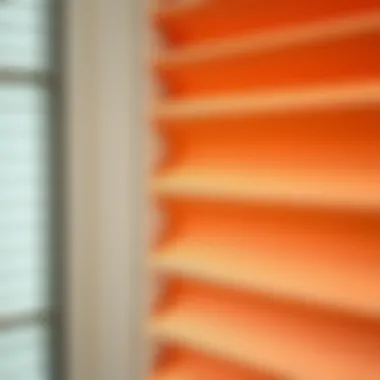
Pleated blinds are known for their potential to contribute significantly to a home’s energy efficiency. The unique design of these blinds allows for optimal insulation. When fully extended, pleated blinds trap air within their folds, acting as a buffer against temperature fluctuations. This can help keep your home cooler in the summer and warmer in the winter, potentially leading to lower energy bills.
"Using pleated blinds can help reduce energy costs, making them a practical addition to any household looking to save on utility bills over time."
Many households face significant energy loss due to windows. By installing pleated blinds, the insulation properties can be harnessed to diminish heat transfer. Not only does this potentially enhance comfort levels, but it can also be a step towards environmental sustainability. In terms of energy efficiency, selecting pleated blinds often results in a tangible benefit underscoring their practical appeal.
Versatility in Design
The versatility of pleated blinds makes them an attractive option for various decor styles. They are available in a vast array of colors, patterns, and textures, which allows for personalized expression in any room. Whether a room is traditional, modern, or eclectic in style, pleated blinds can complement the existing decor seamlessly.
Homeowners can choose from:
- Bold colors to make a statement.
- Subtle hues to create a tranquil environment.
- Unique textures that add depth and interest.
- Various patterns that can enhance the visual complexity of the space.
Furthermore, pleated blinds can be customized to fit virtually any window shape, from standard rectangular windows to more unconventional styles like arches or angles. This gives them an edge over other types of window treatments, allowing for complete creative freedom in design.
Light Control and Privacy
Managing light and maintaining privacy is crucial in many living spaces, and pleated blinds excel in both areas. They offer precise light control adjustments that can help set the desired ambiance and maintain comfort throughout the day.
One of the notable features is the top-down/bottom-up option, which allows homeowners to lower the blinds from the top or raise them from the bottom. This flexibility enables:
- Natural light in without sacrificing privacy.
- Zoned lighting, letting individuals customize how much light enters a room.
For those who value privacy, pleated blinds provide an effective barrier against onlookers while still allowing soft light to filter through. This makes them particularly suitable for ground-floor rooms or spaces facing busy streets.
In summary, the benefits of pleated blinds extend well beyond mere aesthetics. Their ability to enhance energy efficiency, offer design versatility, and provide superior light control and privacy, positions them as a game-changing choice for any interior space.
Potential Drawbacks
When it comes to pleated blinds, while there are several enticing advantages, it's crucial to also weigh some potential drawbacks. Homeowners should take a moment to consider what might go awry, just as one wouldn’t jump into a deep pool without checking the depth first. From maintenance requirements to durability concerns, understanding these aspects can lead to a more informed and satisfactory choice when purchasing pleated blinds, particularly at Lowes, where options abound.
Maintenance Requirements
Pleated blinds, charming as they might be, do come with their share of maintenance worries. The initial beauty can fade if not cared for properly. Dust can quickly accumulate in the little folds, making your chic blinds look less than appealing. Regular gentle cleaning is essential to keep them looking pristine. A soft cloth or a vacuum with a brush attachment can do wonders without causing damage.
It’s also wise to address stains as they occur. Using a damp cloth might suffice for minor smudges, but you're likely better off with a specialized cleaning solution that matches the material. Not every fabric can handle a thorough wash cycle, so it’s best to read the care instructions.
Durability Considerations
Durability is another critical element worth considering. In a bustling home or an office environment, how well do these pleated wonders withstand everyday wear and tear? While some materials used in pleated blinds are robust, others may not hold up against continuous usage or direct sunlight. Fading and warping might rear their ugly heads, particularly with cheaper variants or those made from lower-quality materials. It's important to scout around for high-quality options, even if that means spending a bit more at the outset.
A specialized warranty can often reveal the manufacturer’s faith in their product's durability, so don't shy away from asking about that during your shopping experience. Also be mindful that mechanical parts of the blinds, such as cords or twisting rods used in certain designs, can wear down over time. Maintenance of these components might be necessary to maintain functionality.
Limitations in Insulation
Lastly, let’s talk about insulation. One of the selling points of pleated blinds might often be their aesthetic charm. However, when it comes to insulating properties, they could disappoint in certain contexts. While some higher-end varieties claim energy efficiency and insulation benefits, many standard pleated blinds just might not cut it in colder climates.
The design does create some air pockets, but that doesn't necessarily mean a snug seal. Without additional treatments or layering, you may find that the cold sneaks in during those chilly months.
Therefore, if energy efficiency and insulation are top of the list for you, consider pairing your pleated blinds with heavier curtains. This way, you're not just hoping for the pleated design to offer warmth, but actively taking steps to ensure your home stays cozy.
"Quality and informed decisions are paramount when integrating any design elements into your living space. Make sure to balance aesthetics with practical needs for a harmonious result."
Understanding these drawbacks arms you with the knowledge necessary to make a better decision before swooping into a purchase at Lowes. By considering maintenance, durability, and insulation, you can sidestep common pitfalls and enjoy the beauty of pleated blinds for many years to come.
Materials Used in Pleated Blinds
When delving into the world of pleated blinds, one can't overlook the significance of the materials that compose them. The choice of material not only dictates the aesthetic appeal but also influences functionality, insulation properties, and overall durability. Hence, understanding the various options plays a crucial role in making informed decisions for your windows.
Fabric Choices
Pleated blinds are often composed of a range of fabrics, each served with its own set of characteristics. Common options include polyester and fabric blends, which are popular for their versatility and ease of maintenance. Polyester is lightweight and can come in a myriad of colors, patterns, and textures, making it adaptable to any room setting. On the other hand, more specialized fabrics like blackout materials or sheer options provide varying degrees of light control.
- Polyester: Lightweight, easy to clean.
- Blackout fabric: Blocks light completely, ideal for bedrooms.
- Sheer fabric: Allows light while maintaining privacy.
The choice of fabric can affect the visual outcome of the blinds, too. Perhaps you prefer the rich texture of a woven fabric over a smooth finish—this impact is often underestimated in the design process.
Eco-Friendly Materials
Sustainability is a hot topic today, and many manufacturers are responding to this call by offering eco-friendly options for pleated blinds. Materials sourced from recycled products or those that minimize environmental impact are a growing trend.
Some options include organic cotton and recycled polyester, shedding light on how window treatments can contribute to a greener home. This shift not only helps the environment but appeals to the growing demographic of conscious consumers who wish to make eco-friendly choices. Furthermore, these materials typically feature low volatile organic compounds (VOCs), which can enhance indoor air quality.
"Opting for eco-friendly materials in window coverings can reflect your values while also improving your living space’s ambiance."
Technological Innovations in Materials
As technology advances, so too does the realm of pleated blinds. Innovative materials are beginning to incorporate features such as thermal insulation and enhanced UV protection. These advancements ensure that homeowners can benefit from improved energy efficiency, leading to potential savings on energy bills.
For instance, some manufacturers are developing smart textiles that react to temperature changes by adjusting their thermal properties. Others incorporate technology for easy cleaning, making upkeep less of a chore. This fusion of style and technology addresses both aesthetic desires and practical needs in contemporary interiors.
In summary, when it comes to pleated blinds, the fabric, eco-friendly options, and technological advances offer a cornucopia of choices that could elevate your living space. These materials are not just about making a statement but also entail thoughtful considerations about your environment and lifestyle. As you ponder your next purchase, keep these elements in mind to ensure you choose pleated blinds that complement your home's unique character.
Shopping for Pleated Blinds at Lowes
Shopping for pleated blinds at Lowes is an endeavor that can significantly enhance the look and feel of your space. Choosing the right blinds is not just about aesthetics, but also about functionality and practicality. Pleated blinds come with their own unique set of features that make them stand out from other window treatment options. Lowes offers a vast selection, combining quality products with affordability, which makes it a go-to destination for many homeowners, renters, designers, and DIY enthusiasts.
Navigating the Lowes Inventory
When you're walking through the aisles at Lowes, you’ll immediately notice the abundance of pleated blind styles. Yet, it can feel somewhat overwhelming. The key is to have a plan. Start by determining your needs based on the room where the blinds will be installed. Think about the amount of light you wish to filter or block and how much privacy you desire. Lowes categorizes its inventory in a user-friendly manner, so you can easily sift through different styles, colors, and sizes.
Here are some quick tips for navigating the Lowes inventory effectively:
- Understand Your Space: Measure your windows before visiting the store or shopping online to ensure that the blinds will fit properly.
- Identify Your Style: Have a clear idea of what look you are aiming for, whether it’s modern, classic, or something totally unique.
- Compare Features: Look for additional features like light control and heat insulation to ensure the blinds meet your needs.
- Seek Help: Don’t hesitate to ask a store associate for assistance; they often have valuable insights into the best products based on your requirements.
Price Range and Budgeting
Before diving headfirst into purchasing, establishing a budget is essential. Pleated blinds at Lowes can range widely in price, from economical options to more premium selections. Understanding the price range helps narrow your choices and avoids potential regret later on.
- Budget Options: On the lower end, you can find basic pleated blinds starting from around $20, suitable for those who are on a tight budget.
- Mid-range Quality: Expect to pay between $50 to $100 for a good quality product that balances durability with style.
- Luxury Choices: High-end offerings can go above $300, featuring intricate designs and tailored sizing.
Always consider extra costs such as installation fees, which can add up if you aren’t a DIYer. Additionally, being aware of seasonal sales or discounts can help you snag a deal, possibly giving you the same quality for less.
Comparative Analysis with Other Retailers
When it comes to window treatments, Lowes is not the only player in the game. It’s wise to conduct a comparative analysis of pleated blinds at other retailers like Home Depot, Walmart, or specialty stores. This way, you can gauge not just the prices, but also the customer service, product variations, and quality offered.
- Home Depot: Similar range but pay attention to the customer reviews and service options they provide which can vary.
- Walmart: Often lower prices but check for availability on various styles.
- Specialty Stores: Usually carry high-end brands with unique designs that you won’t find at the larger chains, but at a premium.
By taking the time to compare, you're not just looking for the best price; you’re also seeking the best value in terms of quality and longevity of the product.
"Finding the right pleated blinds involves balancing style, functionality, and budget—taking the time to compare will pay off in ensuring your purchase meets all your needs."
Installation of Pleated Blinds
Installing pleated blinds may seem like a straightforward task, yet it comes with its nuances that can make or break the experience. Understanding the importance of proper installation is crucial—not just for aesthetics but also for the blinds’ functionality and longevity. A well-installed pleated blind offers enhanced light control, ensures maximum insulation, and provides a polished look to your space. On the flip side, taking shortcuts or overlooking key steps might lead to frustrating adjustments down the line.
Tools Required for Installation
Before diving into the installation process, having the right tools on hand can truly pave the way for a seamless experience. Here’s what you’ll need:
- Measuring Tape: To ensure your blinds fit snugly.
- Level: A vital tool for making sure everything is perfectly straight.
- Screwdriver or Power Drill: For affixing brackets securely onto the window frame.
- Pencil: For marking measurements and drill points discreetly.
- Step Ladder: If you're tackling higher windows, a sturdy ladder is key.
- Safety Glasses: Always a good move when working with tools and fittings.
Equipping yourself with these essentials can set you up for success. Without them, you might find yourself improvising mid-project, which often leads to more headaches.
Step-by-Step Installation Guide
Now, let’s roll up our sleeves and break down the installation process into manageable steps. It’s not rocket science, but you will want to follow these steps closely:
- Measure Your Window: Begin by carefully measuring the width and height of the window where the blinds will hang. Double-check your figures to avoid mistakes.
- Choose Mounting Type: Decide if you’re going for an inside mount or an outside mount. Inside mounts look tidy but require precise measurements, while outside mounts can cover more area and create the illusion of larger windows.
- Mark Bracket Placement: Use your pencil to mark where the brackets will go. If using an inside mount, make sure the brackets are placed level and secure them with your screwdriver.
- Install the Brackets: After marking, attach the brackets to the wall or window frame. Ensure they are level before tightening everything down.
- Hang the Blinds: Align the headrail of the pleated blinds with the brackets and gently clip it into place. You should hear a click that indicates the blinds are secure.
- Test the Operation: Tug gently on the blinds to check that they move smoothly up and down. Make any adjustments if necessary.
Taking your time through each step here will help to ensure that you don’t have to make unnecessary fixes later.
Common Installation Mistakes to Avoid
Even seasoned DIYers make mistakes, but you can sidestep common pitfalls by being aware of them.
- Incorrect Measurements: Always double-check your measurements before cutting or drilling. It's easy to assume accuracy.
- Neglecting the Level: Failing to use a level can lead to an unbalanced installation, making your blinds look crooked.
- Forgetting Anti-Jam Features: If your blinds come with features for preventing jam, make sure they're properly set up. They can save you from troubles later.
- Ignoring Manufacturer Instructions: Each brand sometimes has specific instructions. Always refer to the included manual for nuances that might apply to your particular blinds.
"A little prep can save a heap of trouble later on. Measure twice, cut once, and learn from the mistakes of others."
Ensuring a good installation means taking the time to do things correctly from the start. Paying attention to these details will not only improve your effectiveness during the installation but will also enhance your satisfaction with the finished product.
Decorating with Pleated Blinds
When it comes to enhancing your living space, pleated blinds serve as more than just a functional window treatment; they can transform a room with their sleek lines and design versatility. Choosing the right pleated blinds is an opportunity not just to maintain privacy and control light, but also to express personal style. Integrating these blinds within your home’s existing decor accentuates the overall atmosphere, ensuring that your interiors resonate with cohesion and elegance.
Integrating with Existing écor
Successfully merging pleated blinds with your current decor hinges on discerning how colors and patterns play against one another. Start by assessing the existing color palette of the room. If your decor leans toward neutral tones, a pop of color can create a striking focal point. For example, deep green pleated blinds can work beautifully against beige walls, providing a refreshing contrast. Alternatively, if your surroundings are vivid and eclectic, opting for soft, muted shades can help maintain balance and keep the look from feeling overwhelmed. Consider the style of furniture too; sleek modern designs often pair well with subtle textures, while more traditional aesthetics may call for rich, patterned options.
Color Coordination Techniques
Selecting colors for your pleated blinds should echo the tones already present, lending a harmonious flow to the space. A good technique is to choose a blind hue that is one or two shades darker or lighter than your walls. This subtle contrast can enhance the look without clashing. Variations in fabric textures can also add dimension—think smooth fabric against rough-hewn wood furniture.
- Tip for Color Matching: Utilize a color wheel to identify complementary colors. If your living room has a warm undertone, explore shades like terracotta or warm taupe for your blinds.
- Consider Lighting: The way natural light interacts with colors can alter perceptions. Test samples at various times of the day to see how they appear in different lighting conditions, ensuring they serve their dual role of beauty and function.
Layering with Curtains and Drapes
Layering is a technique that several designers endorse, as it allows for versatility in light regulation and achieves a rich look. Pleated blinds can serve as the base layer, providing essential privacy and light control, while curtains or drapes can be added for extra elegance. Consider sheer drapes for an airy feel that lets natural light filter through, or heavier fabrics for a more dramatic and luxurious style.
"Layering fabric can also give the illusion of height, drawing the eye upwards and making a room feel more spacious."
When choosing drapes, ensure the colors either complement or pick up on the tones in the pleated blinds. If your blinds are a soft gray, consider drapes in a deeper charcoal or a matching gray pattern. This layered approach not only enhances visual interest but also allows for adjustments in mood and ambiance throughout the day.
In summary, decorating with pleated blinds can play a significant role in defining the atmosphere of a room. Understanding how to integrate these blinds with your existing decor, utilize color coordination techniques deliberately, and layer them effectively with other window treatments will undoubtedly bring a sophisticated touch to your interior spaces.
Maintenance and Care
Maintaining pleated blinds is key to ensuring they look sharp and function well over the years. Just like a car needs regular oil changes to keep running smoothly, pleated blinds benefit from consistent care to avoid wear and tear. Caring for these window treatments not only extends their life but also keeps them looking fresh and inviting.
Cleaning Techniques
Regular cleaning is fundamental for pleated blinds. Dust and grime can accumulate, leading to fading and staining. Fortunately, the cleaning process isn't too complicated. Here are some effective methods to keep your pleated blinds sparkling:
- Vacuuming: Use a soft brush attachment on your vacuum cleaner to gently remove dust. Just glide it over the fabric without pressing too hard; you don't want to damage the pleats.
- Spot Cleaning: For stubborn stains, a damp cloth with a small amount of mild soap can do the trick. It’s wise to test a hidden area first to ensure it doesn't discolor the fabric.
- Gentle Hand Wash: If the blinds require a deeper clean, you can carefully remove them and wash in lukewarm water. Use a gentle detergent and allow them to air dry.
The key to keeping pleated blinds in good shape lies in being proactive about cleaning them. Few people take the time, but a little effort can go a long way.
Repairing Common Issues
Despite your best efforts, sometimes problems crop up. The good news? Most issues can be handled without a complete overhaul. Here are a few common issues along with practical repair tips:
- Stuck Blinds: If your pleated blinds won’t move smoothly, check for any obstructions in the tracks. Sometimes, dust can clog the mechanisms. A quick clean can often resolve this.
- Pleat Damage: If the pleats become misshapen, gently pull on them to reshape and smooth them out. In some cases, ironing on a low setting can help restore the original pleat form—just ensure to protect the fabric with a cloth.
- Broken Cords: If the lifting mechanism breaks, it often requires replacing the entire cord. However, some companies sell cord repair kits specifically for this purpose, so it’s worth checking first.
Longevity Tips
To keep your pleated blinds looking great for years to come, there are a few best practices worth following:
- Avoid Direct Sunlight: If your blinds get a lot of sun exposure, consider adding UV-filtering window film or using solar screens to protect the fabric from fading.
- Routine Checks: Every few months, take the time to check for any wear and tear, like fraying edges or loose cords. Addressing small issues early can prevent larger headaches later.
- Use Caution when Operating: Treat your pleated blinds gently. Rough handling can lead to quick damage; using them as intended helps prolong their lifespan.
By incorporating these maintenance tips into your routine, you can greatly enhance the durability and appearance of your pleated blinds. Think of it as investing time in a home improvement that pays off every time you walk into the room.
Custom Options and Trends
In the realm of home decor, the phrase "one size fits all" is about as useful as a screen door on a submarine. When it comes to pleated blinds, having the ability to customize options can significantly enhance both functionality and aesthetic appeal in your living space. This section dives into the various custom options available at Lowes, along with trends that resonate with today's homeowners, renters, and interior designers alike.
Custom Sizing Solutions
When you walk into a room, the last thing you want is for your blinds to look like they were borrowed from a different space. Custom sizing solutions are crucial in ensuring that your pleated blinds fit perfectly within your windows. Lowes provides a variety of sizing options to help you get the right fit, whether you have standard windows or irregular shapes.
Additionally, custom sizing not only adds to the visual harmony of a room but also impacts functionality, such as how effectively the blinds block light or insulate against temperature fluctuations.
- Measure twice, cut once. Precision in measuring is absolutely key for custom blinds.
- Lowes often provides consultation services to help guide the sizing process, which can save you from costly mistakes down the line.
Current Trends in Pleated Blinds
Just as fashion evolves, so too do the trends in window treatments. In the world of pleated blinds, homeowners are leaning toward styles that offer both aesthetic and functional value. Energy efficiency has become a hot topic, especially with trends toward eco-friendly living. Pleated blinds, especially cellular varieties, are adaptable to insulate homes better during both scorching summers and frigid winters.
Let’s take a look at some current trends:
- Bold Colors and Patterns: Gone are the days when beige was the only option. Bright, vibrant colors are making a splash, allowing homeowners to express their personalities through their window treatments.
- Smart Home Integration: With the rise of smart homes, many pleated blinds now come equipped with automated features, improving usability and convenience.
- Textures and Fabrics: From luxe fabrics to tactile surfaces, current trends emphasize unique textures that add depth and interest to interiors.
"Staying updated with trends means you're not just sticking to the old; you’re bringing in the new."
Sourcing Sustainable Options
Sustainability is no longer just a buzzword; it's become integral to many purchasing decisions. In sourcing sustainable options for pleated blinds, Lowes stands out by offering products made from eco-friendly materials, reducing environmental impact while still delivering quality performance.
Using bamboo or recycled materials not only contributes to sustainability but often enhances the aesthetic with unique textures and designs.
- Consider brands and lines that prioritize recyclable materials, ensuring your purchase won't contribute to landfill waste.
- Investigate local sourcing options; supporting local artisans and manufacturers often results in lower carbon footprints, while promoting community growth.
In summation, custom options and trends in pleated blinds at Lowes provide a pathway to personalize spaces measurably. From perfect sizing to embracing sustainability, there's a world of possibilities waiting to be explored. By tapping into these elements, you can create a living environment that resonates with both your personal style and contemporary values.